Drug and Alcohol Detox Center
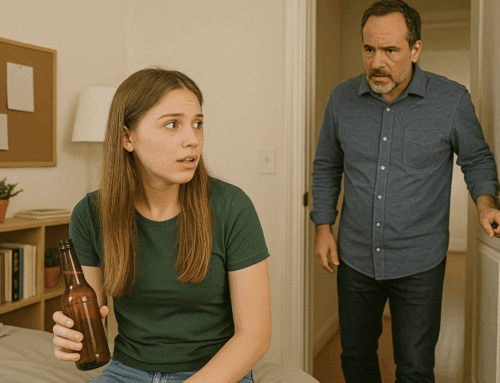
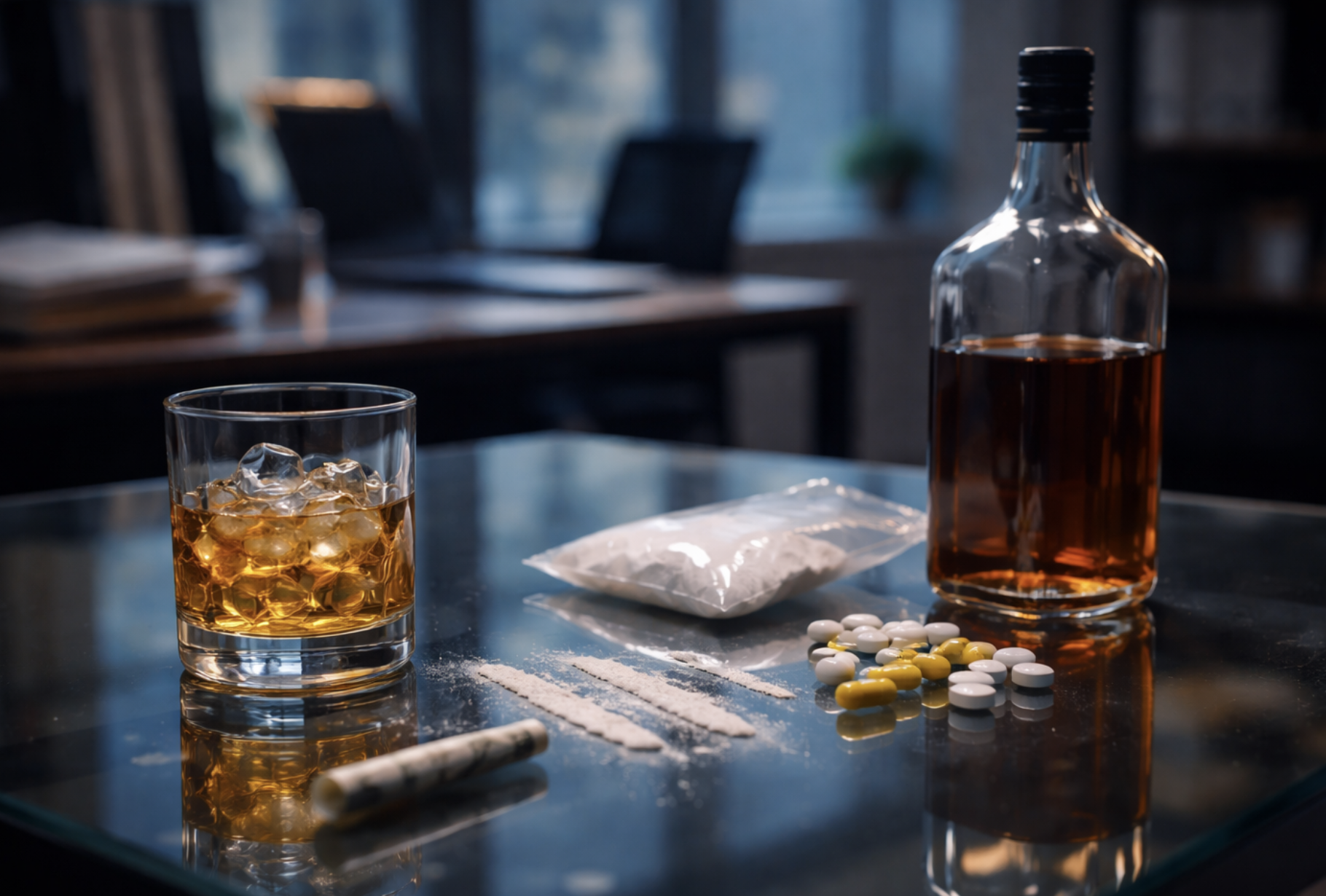
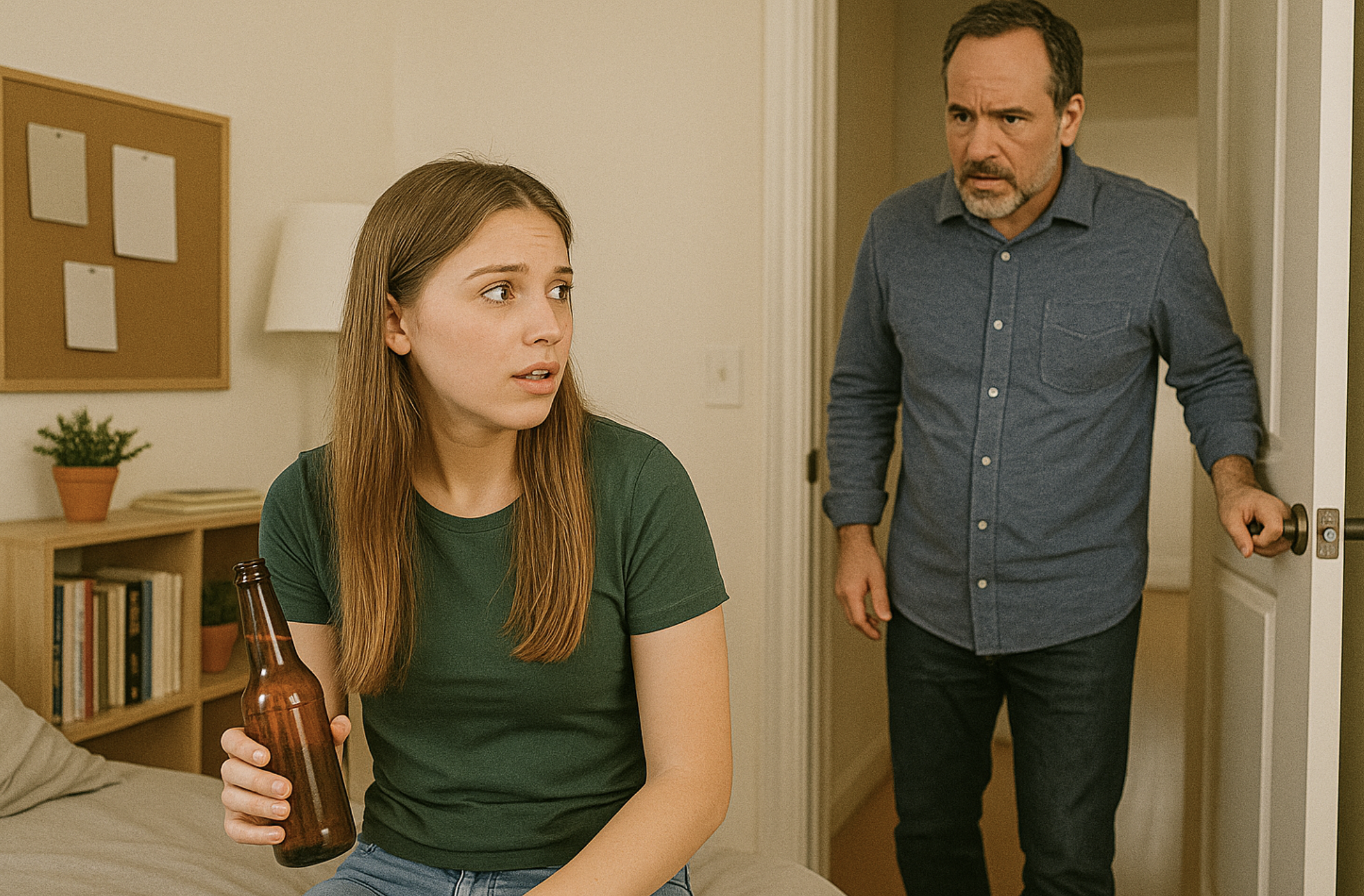
“Alcohol isn’t really a drug.” “Alcohol is legal!” “It’s not as deadly as heroin. You know what you’re getting!” Many young adults who meet the diagnosis of alcohol use disorder aren’t seeking treatment because they don’t think they have a problem. In a study of 351 young adults who met the criteria for alcohol use disorder, 96% believed they didn’t need help, and 29% thought the problem would go away on its own as they got older. The presence of alcoholism in young adults is obvious, So why don’t these people think excessive alcohol consumption is a real problem? Our Alcohol detox centers in Atlanta, GA, are here to explain.
Why Do People Not Seek Help for Alcohol Abuse?
Despite the high levels of alcohol abuse in young adults, not everyone will go through identical phases. Our Atlanta alcohol detox understands that every individual living with an alcohol addiction has their own unique experience. This can be seen in the different reasons people lean on in refusing to seek professional help. No matter the reason, overcoming this barrier is a crucial step in the recovery process, as such a mindset will only continue to hinder the individual and their health.
It’s Legal
So, you can buy alcohol at a store, and you can use it in public. “How can it be that bad?” the question then becomes. If you had to buy alcohol from the sketchy part of town, from a dealer, would that make it a “bad” drug? Would you then stop, or would you continue to drink? Many people don’t even consider alcohol to be a drug. If they do, they justify it by saying it’s legal or “not that bad.”
Alcohol is a legal drug, but that doesn’t mean it is a safe drug. Alcohol poisoning kills six people per day. That doesn’t even include the number of people who die in fatal car crashes due to impaired driving or cirrhosis of the liver, which is caused by heavy drinking over long periods. Legal does not mean safe. Smoking cigarettes is also legal. However, it has proven to be deadly and cancerous. Eating McDonald’s daily is legal, but we know it is bad for our health and can cause problems. Just because alcohol is legal doesn’t mean you shouldn’t ask for help if your drinking has begun affecting you negatively in any way.
It Could Be Worse
Many people feel that if they aren’t drinking alcohol every day or getting the “shakes” from drinking, then it isn’t a problem. Many alcoholics minimize their drinking to avoid feelings of guilt or shame. Some even believe that their drinking isn’t that bad, regardless of one or two negative consequences. The excuses may include, “I don’t have any DUI” or “I don’t black out every night, it’s just a drink or two!” While these excuses may be accurate, maybe they are experiencing family problems or increased depression and anxiety- which are two symptoms of alcohol abuse and alcoholism.
Everyone Else Is Doing It
Many people who engage in dangerous drinking don’t see it as a problem simply because they are out drinking with friends who drink just as much, if not more, or because it’s not an everyday occurrence. Binge drinking is just as dangerous as drinking every day. It can cause health problems, such as liver, digestive, and alcohol poisoning, as well as legal problems, such as DUIs. If “everyone is doing it” is your best excuse as to why you continue to binge drink, ask yourself- if everyone was doing a “harder” drug, would you do it?
The Stigma
The stigma associated with addiction and mental health problems is a major obstacle to getting the help one needs for alcohol abuse. Many people are afraid of being judged or treated unfairly if they admit to having an alcohol addiction or dependency. Because substance abuse is often stigmatized, people are reluctant to talk about their problems and ask for help for fear of being branded as “weak” or “unstable.” As a result, people suffer in silence rather than getting the support they need.
Interpersonal Conflicts and Enabling Behaviors
Family-related interpersonal challenges, like strained relationships or unresolved traumas, can exacerbate feelings of shame and isolation and discourage people from seeking help. In addition, family members’ enabling actions, such as downplaying the negative effects of abusing alcohol or offering financial assistance that encourages continuous drinking, can exacerbate the addiction cycle and obstruct attempts to get treatment. These complex family relationships can pose serious obstacles to admitting and treating alcohol abuse, making it more difficult for people to get the help they require to heal.
Limited Access to Treatment
It can often be difficult for people to get the care they require because options for treatment are out of their financial range or located far away. Additionally, people may be discouraged from getting professional assistance due to worries about privacy and confidentiality, especially in tiny or close-knit communities where seeking treatment could have negative social ramifications. These societal obstacles highlight the need for more readily available and easily accessible resources to assist those who abuse alcohol.
Alcohol Help for Young Adults in Georgia
Alcohol consumption in young adults is a real issue, but we are not without hope. Just because it is legal doesn’t mean it is any safer. If you or a loved one are struggling with addiction to alcohol and don’t know where to turn for help, let go, and let’s chat. Atlanta Detox Center is a premier alcohol detox in Atlanta that helps lay the groundwork for long-term addiction recovery by focusing not only on withdrawal symptoms but also on co-occurring mental health disorders. In addition to alcohol detox, we offer several other detox programs at our facility. This includes detox for drugs like cocaine, heroin, and benzodiazepines, amongst others.
You won’t leave our detox facility without being connected to an outpatient treatment program in Georgia. Finding the right long-term rehabilitation program is the next big step in your liberation from substance abuse.
You don’t have to be like “everyone” else. You can decide to change your life today. Call us at 844-658-0927 to learn more.
Source: