Methamphetamine abuse among veterans is a growing concern, with many struggling to overcome addiction while coping with the unique challenges of military service and reintegration into civilian life. Recognizing the critical need for specialized support, the Atlanta Detox Center offers a veterans-focused detox for meth.
Understanding the complexities of meth withdrawal and providing a structured, compassionate environment is key to the center’s approach. This comprehensive guide outlines the symptoms of meth withdrawal, the importance of identifying these signs, and the steps to detox safely, all aimed at supporting veterans on their path to recovery.
Identifying Withdrawal From Meth Abuse
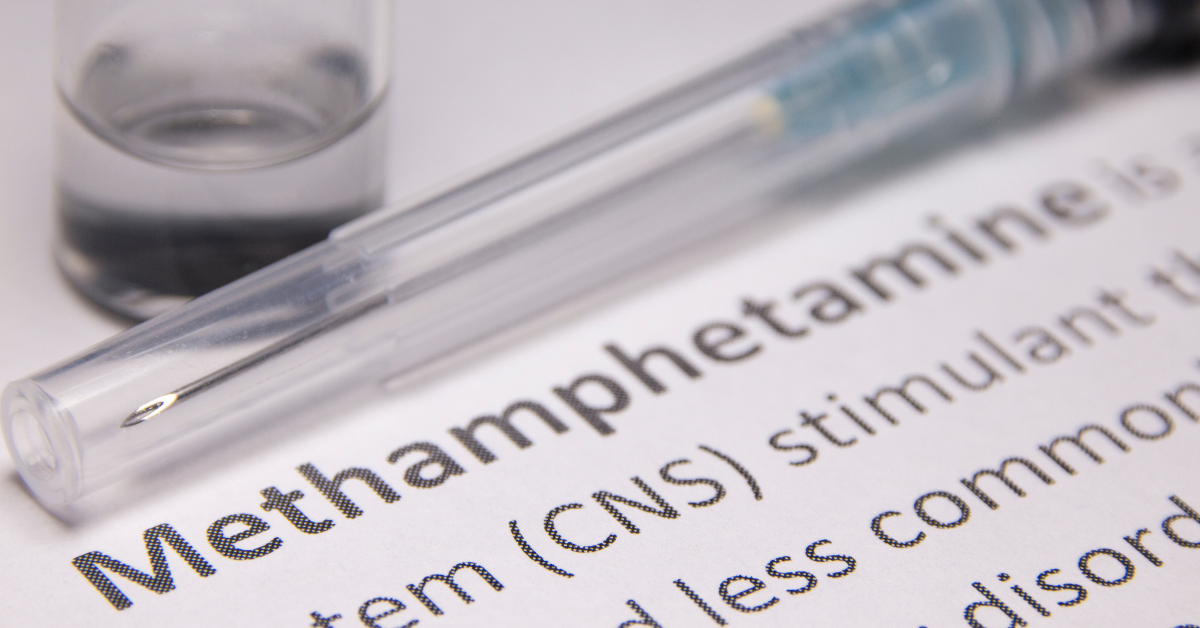
Withdrawal from meth abuse can be a challenging and distressing process characterized by a range of physical and psychological symptoms. Methamphetamine (meth) addiction withdrawal can be a difficult and upsetting process that is marked by a variety of physical and mental symptoms. When a person stops or dramatically reduces their usage of meth, their body and brain struggle to adjust to the lack of the substance. The length and intensity of this period of adjustment, called withdrawal, can vary based on several factors, including the length of time the person has used meth, the amount consumed, and their general health.
Withdrawal symptoms of meth include:
- Fatigue and Sleep Disturbances: Profound exhaustion and excessive sleeping are common as the body attempts to recover from the intense stimulation caused by meth.
- Depression and Anxiety: A significant drop in mood, accompanied by feelings of hopelessness, sadness, and anxiety, often occurs during withdrawal.
- Increased Appetite: After prolonged suppression of appetite due to meth use, individuals may experience intense hunger and cravings for high-calorie foods.
- Intense Cravings: A strong desire to use meth again is a hallmark of withdrawal, making relapse a significant risk.
- Paranoia and Hallucinations: Some individuals may experience psychotic symptoms, including paranoia and visual or auditory hallucinations.
- Cognitive Impairment: Difficulties with concentration, memory, and decision-making are common as the brain readjusts.
- Physical Discomfort: Generalized aches, pains, and headaches are frequent complaints during the withdrawal phase.
It is essential to identify these withdrawal symptoms to offer the proper assistance and intervention. Medical supervision, therapeutic interventions, and a structured and encouraging atmosphere can all help individuals going through meth withdrawal manage their symptoms and lower their chance of relapsing. Prompt detection and intervention can greatly enhance the likelihood of successful rehabilitation and sustained sobriety.
How to Detox From Meth Safely
Safely detoxing from meth is an important step toward recovery, and it should preferably be done under medical supervision. A comprehensive medical evaluation is the first step in the process, which helps to create a customized detox plan by assessing the person’s physical and mental health. In a monitored detox environment, medical assistance is provided to help the patient properly manage the often intense and potentially hazardous withdrawal symptoms.
To ensure a more comfortable detox process, medical professionals may prescribe drugs to address particular symptoms like anxiety, depression, or sleep difficulties. In addition, nutrition and hydration are stressed to aid in the body’s recovery from meth use’s effects.
A safe detox for meth must also include supportive care. Counseling or therapy that provides emotional and psychological support is essential for managing the mental health issues that arise with meth withdrawal. Behavioral therapy can assist patients in creating coping mechanisms to manage cravings and stop relapses. Involving family members or close friends in the detox process is often advantageous because their encouragement and emotional support can be very grounding.
Following detox, a comprehensive treatment plan that includes continuous therapy, support groups, and maybe medication-assisted treatment can significantly improve the odds of long-term recovery. Regaining control over one’s life and progressing toward long-term sobriety can be facilitated by ensuring a comprehensive approach to detox and recovery.
Contact Our Detox for Meth Today
At our Detox centers in Georgia, we are committed to providing comprehensive care beyond meth detox for veterans, including withdrawal treatment and programs for alcohol, opioids, and more. Our admissions process is designed to be accessible and supportive. For further insights into addiction recovery, visit our blog.