Drug and Alcohol Detox Center

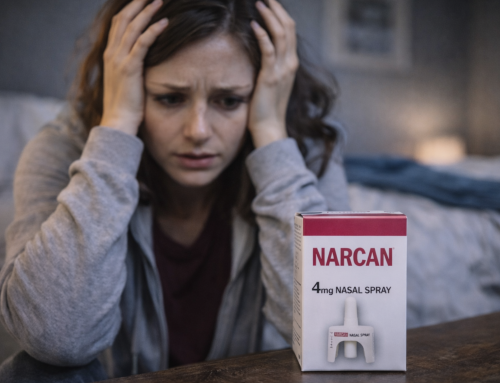
Staying sober takes more than good intentions. The early stages of recovery can be filled with unexpected stress, emotional triggers, and moments of doubt. That’s why having a strong relapse prevention plan is one of the most important things you can do to protect your progress and stay on track.
At Atlanta Detox Center, we believe recovery is not just about getting clean. It’s about staying connected, supported, and prepared for what comes next. Whether you’re new to sobriety or rebuilding after a setback, our team helps you create a plan that fits your life and gives you the confidence to move forward.
What Is a Relapse Prevention Plan?
A relapse prevention plan is a written or verbal strategy that outlines how a person in recovery will handle situations that could lead to drug or alcohol use. It typically includes known triggers, high-risk environments, emotional warning signs, and practical responses that promote accountability and safety.
According to the National Cancer Institute, relapse is the return of a disease or symptoms after a period of improvement.¹ In addiction recovery, relapse refers to returning to substance use after achieving sobriety. While relapse is common, it can also be dangerous, especially without the proper safeguards in place.
Rather than waiting for a difficult moment to occur, planning ahead puts control back in the hands of the person in recovery. With the help of trained professionals and loved ones, this plan becomes a lifeline in stressful or uncertain situations.
If you’re unfamiliar with what relapse support looks like after detox, our relapse prevention program outlines how we help clients prepare for long-term recovery right from the start.
Avoiding Relapse Triggers: The First Step Toward Stability
Triggers are people, places, feelings, or situations that can prompt a return to drug or alcohol use. These vary from person to person, but understanding them is essential to creating a solid foundation for your relapse prevention plan.
Common examples include:
- Being around others who drink or use drugs
- Arguments with family or partners
- Financial stress
- Boredom or isolation
- Visiting locations tied to past substance use
This is why avoiding relapse triggers is about more than just willpower. It’s about awareness, planning, and proactive self-care. Many recovery programs teach individuals how to use the HALT acronym (hungry, angry, lonely, tired) as a way to scan for internal triggers before they escalate into something bigger.
Atlanta Detox Center supports clients in identifying their personal risk factors and building routines that reduce exposure to triggering situations. For more insight on healthy routines, our blog on tips for staying sober offers strategies that can be used daily to reinforce positive habits.
Building a Personalized Relapse Prevention Plan
The most effective plans are tailored to the individual. At Atlanta Detox Center, we help clients build out every detail of their relapse prevention plan, so they feel prepared no matter what life throws their way. These plans often include a list of personal triggers and early warning signs, a schedule for attending meetings, therapy, or support groups, and a list of supportive people to contact in moments of stress. They also cover daily routines that promote structure, rest, movement, and reflection, along with clear steps to take in case of a relapse emergency.
While it may sound clinical, this plan becomes something very human, a practical, empowering tool rooted in self-awareness. And for those who are staying sober for the first time in years, that clarity is life-changing.
If you’re still early in recovery and unsure what level of support you need, explore our withdrawal programs to see how medically monitored detox can be paired with relapse planning.
Spotting Relapse Warning Signs Early
Relapse doesn’t usually happen in a single moment. It unfolds in stages. First, there may be emotional or mental distress. Then come behavioral changes that signal internal struggle. Eventually, without support, this can lead to physical relapse.
Relapse warning signs include:
- Isolating from friends or support systems
- Skipping therapy or 12-step meetings
- Romanticizing past drug or alcohol use
- Mood swings, irritability, or emotional numbness
- Poor self-care and inconsistent sleep or eating habits
Recognizing these red flags is an important part of any relapse prevention plan. At Atlanta Detox Center, our team works closely with each client and their support network to identify early relapse signs before they become setbacks. We take a holistic approach that blends clinical care, family involvement, and emotional wellness to help you stay ahead of relapse and focus on lasting recovery. The National Library of Medicine notes that these stages often emerge during periods of stress, disrupted sleep, or unmanaged mental health symptoms.³
If you’re beginning to notice these patterns in yourself or someone you care about, our specialized relapse support services can help you intervene early and move forward with confidence.
Addiction Treatment Memphis Residents Can Trust
Although Atlanta Detox Center is based in Georgia, we frequently work with individuals and families from Tennessee, including those in the Memphis area. Some clients prefer to travel out of state to begin recovery in a new, private setting away from daily pressures and old routines.
If you’re looking for addiction treatment near Memphis, our facility provides comprehensive, medically supervised care and long-term planning tailored to your goals. You can learn more about what we offer to out-of-state clients on our Memphis treatment page.
We also simplify the admissions process by helping you verify your coverage quickly. Visit our insurance information page to get started.
FAQs About Relapse Prevention Plans
What are the most common relapse triggers in early recovery?
Common relapse triggers include emotional stress, being around people who use, financial difficulties, family conflict, and exposure to old environments associated with past use. Internal states like anxiety, loneliness, or boredom can also contribute to cravings². Identifying your specific triggers early on is key to prevention.
How soon should I make a relapse prevention plan?
Ideally, you should create a relapse prevention plan before you leave detox or residential care. Even if you’re early in recovery, planning now gives you the confidence and structure to move forward safely. If you’ve already completed treatment but never created a plan, it’s never too late to start. Our team at Atlanta Detox Center can help you build or refine one today.
How Atlanta Detox Center Can Help You Stay on Track
Recovery is a process, and no one should walk it alone. If you’re worried about relapse or just want to strengthen your current plan, Atlanta Detox Center is here to help. We provide expert guidance, compassionate care, and programs tailored to your needs.
Whether you’re just starting treatment or taking steps to protect your sobriety long-term, creating a solid relapse prevention plan can make all the difference. If you’re in Memphis or anywhere in the Southeast, our Georgia-based facility is ready to support you.
Call 844-658-0927 or contact our team to learn more. For detailed information about our program, visit our relapse prevention program page and take the first step toward lasting recovery.
Sources
- National Cancer Institute. Definition of relapse. National Cancer Institute. https://www.cancer.gov/publications/dictionaries/cancer-terms/def/relapse. Accessed June 2025.
- American Addiction Centers. Drug relapse prevention & management. American Addiction Centers. https://americanaddictioncenters.org/treat-drug-relapse. Accessed June 2025.
- National Library of Medicine. Preventing relapse in substance use disorder. In: McKee SA, McRae-Clark AL, eds. Substance Use Disorders: A Guide to the Treatment of Addiction. StatPearls Publishing; 2023. https://www.ncbi.nlm.nih.gov/books/NBK551500/. Accessed June 2025.