Drug and Alcohol Detox Center
If you or someone you know is dealing with an addiction to drugs or alcohol, you understand how severe this can be. Because alcohol is legal, many people believe that alcohol addiction is not as bad. Unfortunately, going through alcohol withdrawal can be severe. Therefore, it is a good idea for everyone to avoid attempting an alcohol detox at home. If you are looking for a way to deal with alcohol addiction, we can help you. We are proud to provide access to compassionate treatment at our Atlanta alcohol detox center.
What Is Alcohol Withdrawal?
When the body is addicted to alcohol, it believes it requires alcohol to survive. Therefore, if you go a long time without a drink, the body believes that it is being deprived of an essential nutrient such as oxygen, water, or food. As a result, your body will enter a state of withdrawal.
Alcohol withdrawal refers to a constellation of symptoms that manifest when someone who is addicted to alcohol has gone several hours or days without a drink. Usually, alcohol withdrawal starts within a few hours following consumption of the last drink. Then, withdrawal may last for several days.
It is crucial to understand that some symptoms of alcohol withdrawal may be severe. That is why everyone needs to understand what alcohol withdrawal looks like.
How Long Does Alcohol Withdrawal Last?
The duration of alcohol withdrawal varies depending on several factors, including the severity of the addiction, the individual’s overall health, and how long they have been drinking. Typically, the withdrawal process can be divided into three stages. The initial stage, which begins within 6 to 12 hours after the last drink, includes symptoms like anxiety, headaches, nausea, and tremors. The second stage, occurring between 12 to 48 hours after cessation, can bring more severe symptoms such as increased blood pressure, hallucinations, and irritability.
The final stage, from 48 to 72 hours and beyond, is when the most severe symptoms like delirium tremens (DTs), seizures, and severe agitation might occur. Most symptoms tend to subside within 5 to 7 days, but psychological symptoms such as anxiety and depression can persist for weeks or even months.
What Does Alcohol Withdrawal Look Like?
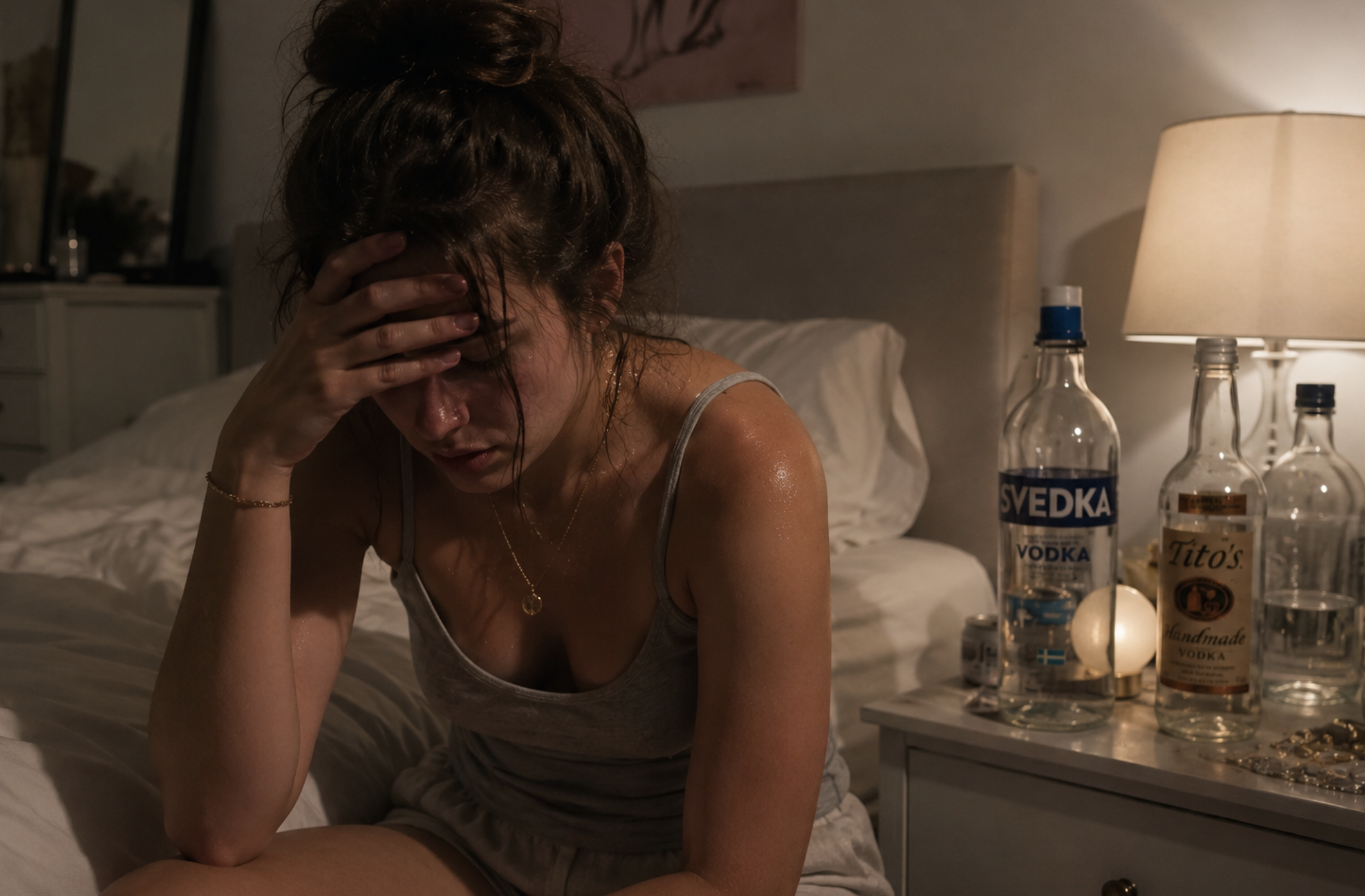
The symptoms of alcohol withdrawal can vary slightly from person to person. People who have been dealing with addiction for a longer amount of time may have more severe symptoms. Several common symptoms begin within a few hours after drinking, which include:
- Severe feelings of anxiety
- Nausea and vomiting
- Severe headaches
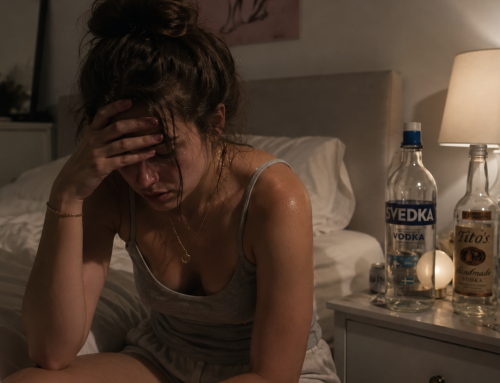
- Profuse sweating
- Shakes and chills
- Insomnia
Even though these symptoms can be severe, they are not life-threatening. So why is it so discouraging for people to attempt to detox from alcohol at home?
What Makes an Alcohol Detox at Home So Dangerous?
What makes an alcohol detox at home so dangerous is that more severe symptoms show up approximately twelve to forty-eight hours after drinking. These symptoms may include hallucinations, seizures, and a specific syndrome called delirium tremens (DTs). DTs can lead to vivid hallucinations and delusions. They can also be life-threatening because they can lead to a rapid heart rate, high blood pressure, and intractable seizures. In some rare cases, the effects of DTs could be permanent.
Because of these symptoms, alcohol withdrawal can be deadly. To avoid the situation, what should you do? It’s crucial to seek medical supervision when detoxing from alcohol. Healthcare professionals can provide medications and support to manage withdrawal symptoms safely. In a controlled environment, the risks of severe complications can be significantly reduced, ensuring a safer detox process. Additionally, medical professionals can address any underlying health issues and provide resources for ongoing support and recovery.
Detox With the Help of Professionals
Unsupervised alcohol detox is incredibly dangerous. The symptoms above can be life-threatening, so everyone should go through the detox process under the supervision of medical professionals. Medical experts have access to treatment options that can deal with seizures. In addition, there are also treatment options that can make the process more comfortable. Medications can be used to deal with nausea, vomiting, rapid heart rate, high blood pressure, and many other withdrawal symptoms.
If you or someone you know is looking for assistance with alcohol addiction, rely on a professional alcohol detox center. At Atlanta Detox Center, we will do everything we can to make you or your loved one comfortable as the alcohol withdrawal process runs its course.
Learn More About Treatment at Our Georgia Detox Center
If you are looking for professional help with alcohol addiction, our team can assist you. We are Atlanta Detox Center, and we have a tremendous amount of experience dealing with alcohol detox in many shapes and forms. We can help you deal with alcohol detox as well. Our professionals will work with you individually, figuring out what we have to do to place you on the road to recovery.