Drug and Alcohol Detox Center
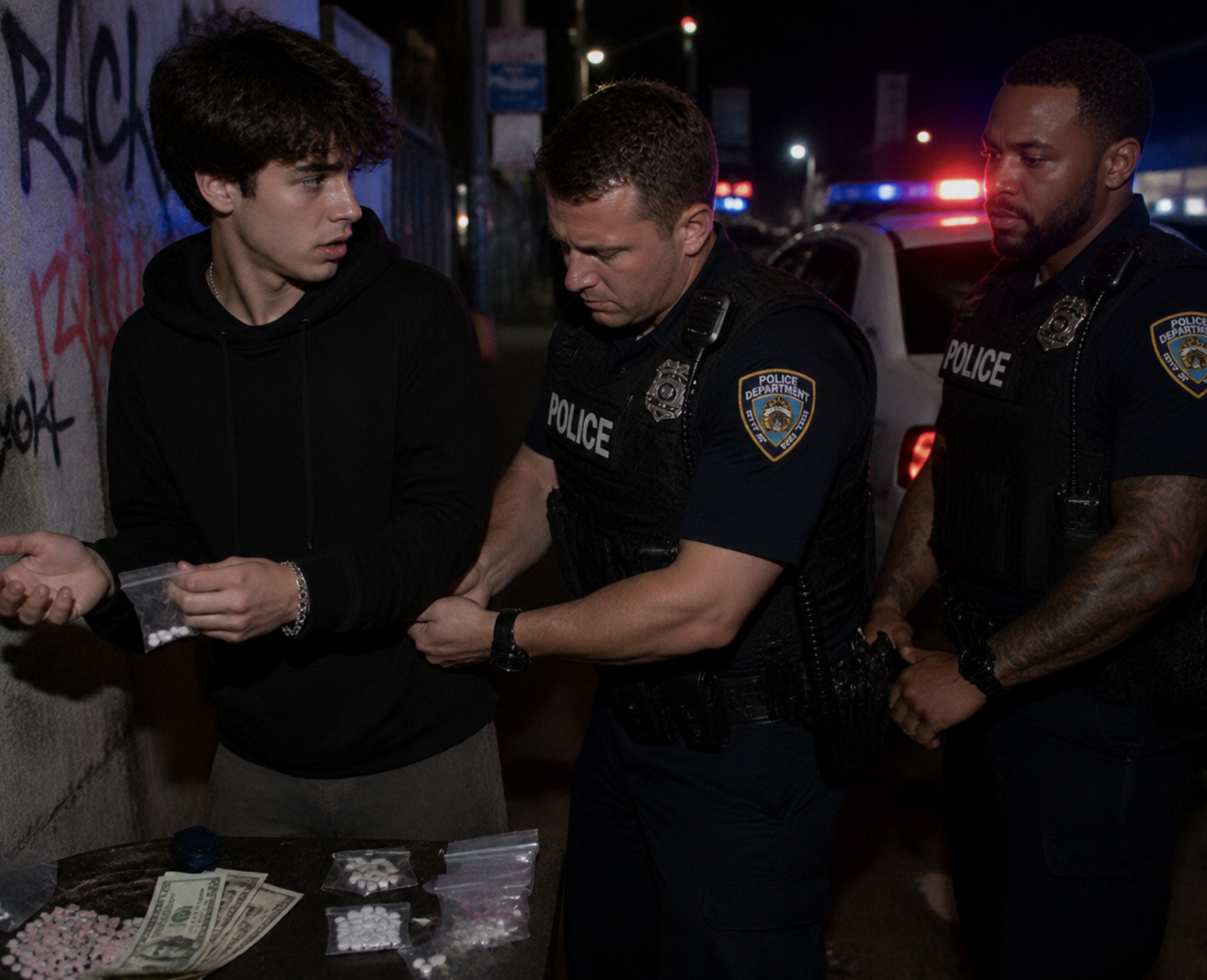
While reducing the opioid prescription rate across the United States, which was a necessary and good thing, we have also reduced the available supply of pharmaceutical opioids. This has inadvertently driven a certain percentage of opioid-addicted people (and opioid-curious experimenters) to street heroin and counterfeit pills usually made of fentanyl.
The OxyContin crisis claimed more than half a million Americans before it began to come to a close about 10 years ago. This debacle, highlighted by at least two streaming miniseries (Hulu’s Dopesick and Netflix’s Painkiller) drew unprecedented attention to America’s love affair with prescription opioids.
The federal government, allied with state and local authorities, finally brought some measure of justice to bear on Purdue Pharma, the pharmaceutical giant behind OxyContin. It took years of court wrangling, but they finally managed to stem the tide of prescription opioids and thus, the opioid prescription rate has trended down in many if not most states.
How The Opioid Prescription Crisis Unfolded
Doctors, physician’s assistants, and nurses across the country were brought up to speed on the problem, once Purdue Pharma landed in court. The truth is, many, if not most of them, already knew America was in the grips of a terrible trend that was killing people. It was impossible not to notice after a point.
Florida pain clinics (AKA “pill mills”) are open 24 hours a day with lines around the block. Skyrocketing overdose deaths hit the northeastern U.S. particularly hard, but it was happening coast-to-coast. OxyContin got most of the press (and had the highest body count) but the truth is, doctors were prescribing more opioids overall, across the board. Percocet, Vicodin, Lorcet, Lortab, and just about everything else was being prescribed more than ever before.
How Big Pharma Conned Doctors Into Overprescribing Opioids
Part of Purdue Pharma’s insidious strategy was convincing doctors that they had actually been underprescribing powerful opioid painkillers all along. They shamed doctors for allowing their patients to suffer the discomfort of minor aches and pains by denying them opioids.
Purdue Pharma even produced bogus marketing materials claiming only 1% of OxyContin patients became addicted. What they neglected to mention was that the study was conducted on cancer patients in palliative care for a short period at the end of their lives. Some doctors resisted the aggressive marketing push, but the OxyContin hustlers were relentless. It seemed pharmaceutical reps and their superiors up the chain of command were as addicted to cold hard cash as their customers were to OxyContin. But, it wouldn’t end well. How could it?
OxyContin and Opioid Crisis Timeline
- 1995 — OxyContin was first approved by the FDA.
- 1996 — OxyContin hits 316,000 prescriptions.
- 1998 — Purdue Pharma launches its deceptive campaign to push painkillers.
- 2001 — First collaboration between FDA, SAMHSA, NIH, and DEA to study Rx abuse.
- 2002 — OxyContin hits 14 million prescriptions (up 96.2% since 1996)
- 2003 — Purdue Pharma cautioned about misleading advertisements downplaying risks.
- 2006 — Purdue Pharma executives fined $634.5 million for misleading the public.
- 2007 — State of Kentucky files suit against Purdue Pharma (settled 2015 for $24 mil)
- 2009 — 1.2 million ER visits due to drug misuse, a 98% increase since 2004.
- 2013 — FDA takes multiple actions to more strictly regulate OxyContin.
- 2014 — New York Attorney General begins investigating Purdue Pharma.
- 2015 — FDA approves NARCAN (intranasal naloxone) to reverse opioid overdose.
- 2016 — FDA announces a “far-reaching” plan to reassess their approach to opioids.
- 2018 — Florida, Nevada, North Carolina, North Dakota, Tennessee, and Texas file suits.
- 2019 — By January of 2019, 36 states were suing Purdue Pharma over OxyContin.
- 2021 — Purdue Pharma to pay $573 million to 47 state governments to settle claims.
The Tide of Rx Opioid Painkillers Begins To Turn
Finally, years of mounting opioid overdose deaths and rapidly climbing property crime by people addicted to OxyContin forced the government to act. The FDA reined in the pharmaceutical companies. Doctors and other medical professionals were informed of the danger and Purdue Pharma’s willful deception. Slowly, but surely, opioid prescriptions began to decline.
Lower Opioid Prescription Rate = Less Addiction… Right?
As of now, most of America is well aware that OxyContin and other prescription opioids are potentially very dangerous. Doctors and patients alike now understand that contrary to Purdue Pharma’s slick marketing campaign, opioids are, in fact, not appropriate for long-term use for mild to moderate pain.
The truth is that using opioid pain medication this way inevitably leads to physical dependence and, ironically, often results in far more serious problems than the one the patient came to see their doctor for in the first place. Opioid prescription rate continues to fall, so it would be natural to expect the rates of opioid addiction, overdose, and death to decline accordingly, right?
Except that’s not what’s happening. All three of those metrics are still growing exponentially.
Why Is Opioid Addiction On The Rise?
This is a more complicated question than it might seem at first glance. There are several factors at play. But the short answer is that curtailing access to prescription opioids doesn’t necessarily mean the end of the road for the opioid-addicted person. True, fewer opioid painkiller scripts are being written. Combined with stricter controls on the production and distribution of controlled substances, this has also meant fewer prescription opioids are ending up on the black market.
Unfortunately, there are few people more determined than someone caught up in opioid addiction. The drug cartels who prosper in America’s black market drug economy have been all too happy to fill the burgeoning demand for opioids now that the pill mills are largely out of operation. Sadly, many of those who became addicted to OxyContin or other opioids, turned to heroin when they could no longer get their drug of choice. Heroin today is more potent than ever before and more than half of it is spiked with fentanyl.
Out Of The Frying Pan — Into The Fire
Unfortunately what we’re seeing is that the crackdown on prescription opioids and the opioid prescription rate has not effectively reduced the amount of opioid addiction. It may have even indirectly helped to increase the number of overdose deaths. Hold on — we know that’s a controversial statement, but hear us out. We are NOT suggesting that the prescription opioid crackdown shouldn’t have happened. It was absolutely necessary.
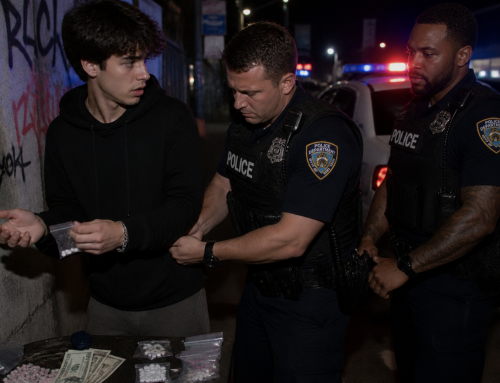
What we are saying is that by reducing the available supply of pharmaceutical opioids, we have inadvertently driven a certain percentage of opioid-addicted people (and opioid-curious experimenters) to street heroin and counterfeit pills usually made of fentanyl.
Plenty of deadly overdoses were occurring with legally obtained OxyContin. But, numerous studies, including one survey of 2,500 opioid users from Washington University in St. Louis, support the idea that many former OxyContin users have simply switched to heroin and street fentanyl.
Unfortunately, this shift may be increasing the risk of deadly overdoses. The difference is that with prescription drugs you have quality control. If the tablet is yellow and says “40” on it and “OC” on the other — you can be reasonably sure that is 40 mg of OxyContin — or at least you were.
That was before the massive rise in fake prescription drugs that followed the crackdown on real OxyContin. In short, when someone buys heroin or fake pills off the street, they have no way of knowing what the potency of that product is. Unfortunately, that makes overdose even more likely. That’s a cold, hard fact that we can’t shy away from.
Where Do We Go From Here — The Future of Opioid Addiction
It’s easy to get discouraged in light of the worrying statistics in the war against opioid addiction. The truth is, this is one of the biggest challenges facing our country right now and there are no easy answers. The good news is that more resources are being directed toward solving the opioid crisis than ever before and progress is being made. The opioid prescription rate declining is still a good thing, despite the side consequences of currently addicted people turning to dangerous alternatives. Stopping more people from becoming hooked on opioids is the crucial first step, and providing aid, support, and treatment to the people who have been led into use is what has and will continue to follow.
About 4 million Americans enter drug and alcohol treatment every year. Hundreds of thousands of them are going to be successful in recovery. You or the one you love could be one of them. The single biggest indicator for success in recovery, believe it or not, is willingness. Getting sober and drug-free isn’t a matter of willpower or discipline.
Paradoxically, it’s not about muscling through but surrendering. Surrendering the idea that you have control over your drug use and accepting that you need help to get sober. If you or the person you love is willing to try a better way of life, Atlanta Detox Center is ready to help you do it.
Atlanta Detox Center Can Help You Find Freedom
Atlanta Detox Center is Georgia’s premier drug and alcohol treatment center. If you or someone you love is ready to stop the suffering — we should talk. Atlanta Detox Center offers hotel-like accommodations and the comprehensive medical detox support you need to get sober comfortably.
You and the people you care for deserve the Atlanta Detox Center standard of care. Contact us today online or give us a call at 844-658-0927 to begin moving in the right direction.