Drug and Alcohol Detox Center

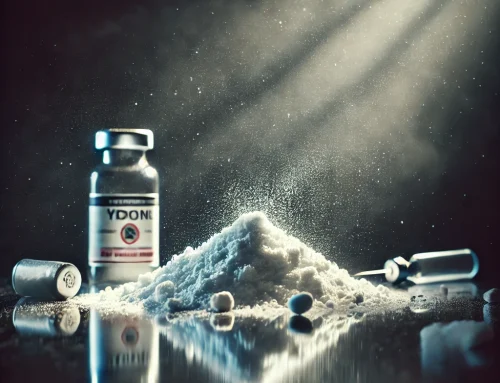
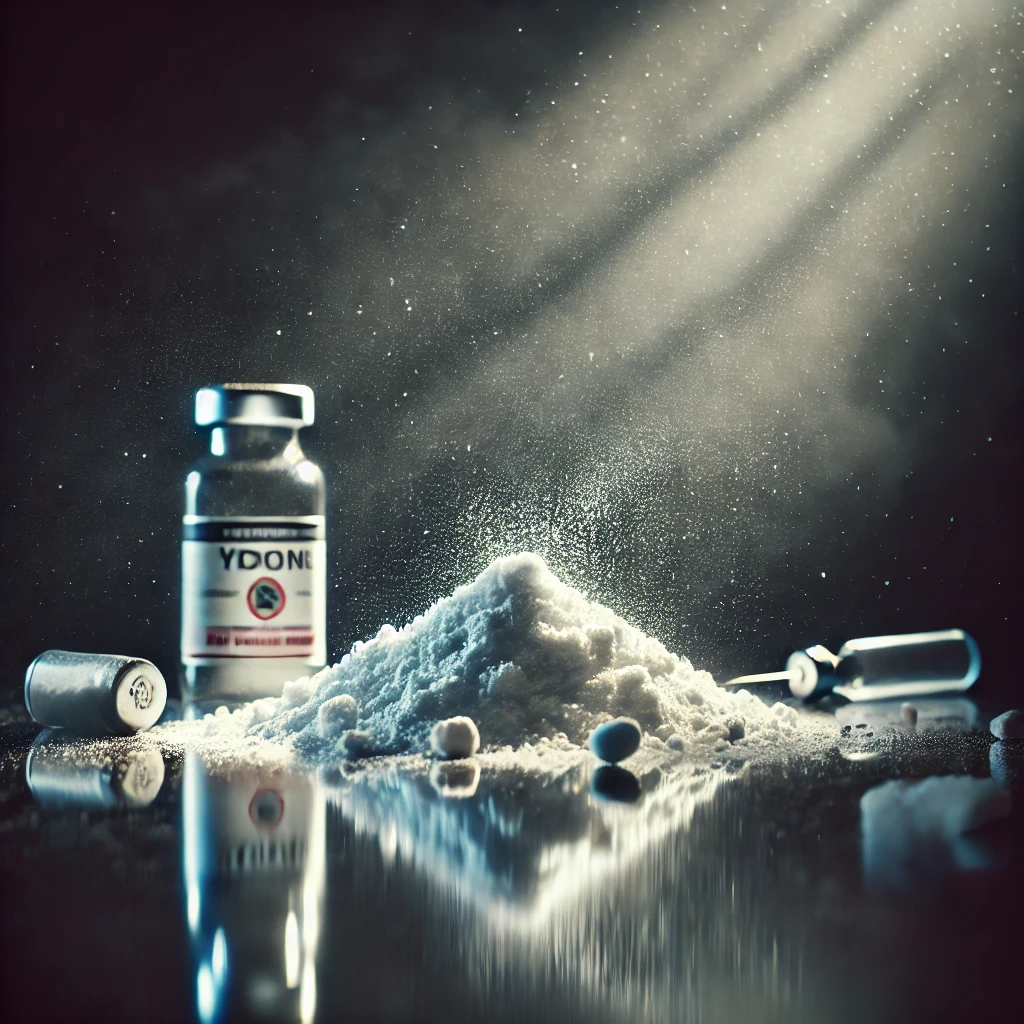
Cocaine, one of the most widely used illicit drugs, is rarely found in its pure form by the time it reaches the end user. Throughout its journey from production to street sales, cocaine is often cut with various cocaine-cutting agents to increase profits, alter its effects, and stretch the supply.
Understanding why cocaine is cut and what it’s cut with is crucial for recognizing the risks associated with its use. Atlanta Detox Center explores the reasons behind this practice and details the common substances that are mixed with cocaine, shedding light on the significant dangers that these cocaine-cutting agents can pose to users.
Why Do People Cut Cocaine?
Individuals mainly adulterate cocaine to enhance their earnings by mixing in other substances. By combining cocaine with other substances, sellers can increase the amount of their product without using more pure cocaine, enabling them to make more sales and earn higher profits. This method is commonly used in the drug industry as it allows vendors to extend their inventory and increase profits, even though it undermines the quality and safety of the end product.
Another purpose for cutting cocaine is to control how it affects individuals. By changing the drug’s formula, sellers can produce a substance that still offers the intended stimulant outcomes but with varying levels of strength. This can give the impression that the drug is more potent or has a longer duration despite its purity being greatly diminished, in turn leading to more significant chances of cocaine dependence forming. Regrettably, this habit also heightens the possibility of detrimental and unforeseeable side effects for individuals, rendering cocaine consumption even riskier.
What Is Cocaine Cut With?
Cocaine is frequently mixed with various substances, which may differ based on the dealer’s objectives and the accessibility of cutting agents. Certain additives are harmless and mainly used to increase quantity, while others can boost or imitate the impact of cocaine, and some are highly hazardous. The materials added to cocaine can significantly change its strength, impact, and safety, resulting in unforeseeable and potentially dangerous outcomes for individuals who use it.
Common examples of cocaine-cutting agents include:
- Baking soda: A cheap and readily available substance, often used to increase the bulk of the cocaine.
- Caffeine: A natural stimulant that adds an energizing effect, making the cocaine seem more potent.
- Lidocaine or benzocaine: Local anesthetics can mimic the numbing effect of pure cocaine.
- Talcum powder or cornstarch: Inert substances, such as powders and starches, increase volume without adding effects.
- Levamisole: This veterinary drug has an appearance similar to cocaine. Though used as a deworming agent in animals, when used to cut cocaine, Levamisole can cause serious health issues in humans, including immune system damage.
- Fentanyl: This powerful opioid increases the overall potency when mixed with other drugs like cocaine, but it can be lethal even in small amounts.
- Amphetamines: As stimulants, amphetamines enhance the effects of cocaine, often making it more addictive.
These cocaine additives not only decrease its purity but also bring about a range of health dangers, from slight discomfort to severe, life-threatening responses. Users cannot determine the exact contents of the cocaine they are consuming, posing a risk to their health with each dose. The uncertainty of these additional ingredients plays a significant role in the dangers linked to cocaine consumption, as the mixture of compounds can result in unforeseen and possibly deadly consequences.
Access Life-Changing Support at Our Cocaine Detox in Atlanta
At our Georgia Detox Center, our specialized cocaine detox program provides a safe and supportive environment for those looking to break free from addiction. After completing your Atlanta detox treatment, our alumni program offers ongoing support to help you stay on track in your recovery journey. For more insights and resources, visit our blog, where we regularly share valuable information on addiction and recovery.