Drug and Alcohol Detox Center

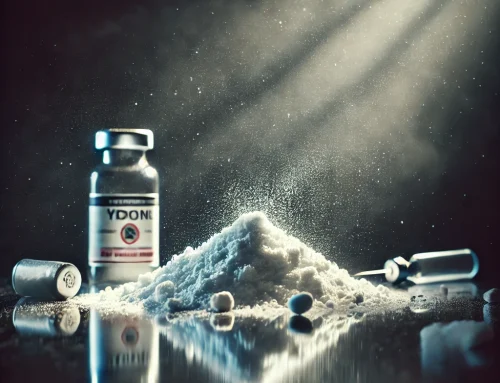
Liquid cocaine is one form of cocaine that presents unique dangers and challenges both for users and law enforcement. Unlike its powdered counterpart, liquid cocaine is a potent mixture often combined with alcohol or other liquids, leading to rapid and intense effects on the body, making it highly addictive and extremely hazardous. The severe health risks, such as heart attacks and respiratory failure, make it imperative for those struggling with cocaine addiction to seek immediate help.
Facilities like the Atlanta Detox Center specialize in providing the necessary medical detox and support to manage withdrawal and begin the journey to recovery safely. Moreover, the smuggling of liquid cocaine has become a sophisticated operation, with traffickers using increasingly creative methods to conceal the drug in everyday items. Understanding the nature of liquid cocaine and the tactics used in its smuggling is crucial in combating this growing threat.
What Is Liquid Cocaine?
Liquid cocaine is a powerful and hazardous substance that combines cocaine, a powerful stimulant, with alcohol or other liquid bases. This combination can be taken by mouth, injected, or inhaled, causing quick and substantial impacts on the central nervous system. The liquid version of cocaine is hazardous due to its ability to be rapidly absorbed into the bloodstream, increasing the drug’s stimulating effects.
Users may feel a strong sense of happiness, heightened vitality, and improved attentiveness. Yet, when cocaine and alcohol are mixed, they produce a substance known as cocaethylene in the body, amplifying the harmful impact on the heart, liver, and other bodily organs, thereby raising the chances of a fatal overdose.
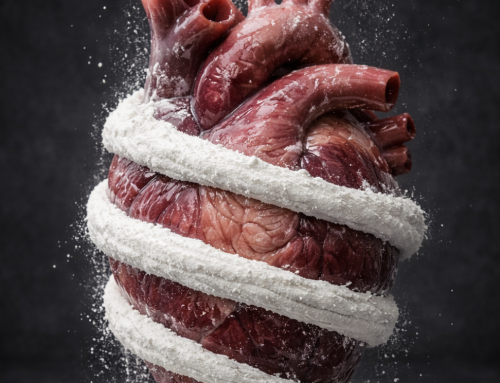
The consumption of liquid cocaine has been linked to severe health dangers, such as heart attacks, strokes, respiratory failure, and sudden death. The drug’s capacity to induce intense euphoria also results in a high likelihood of dependence and addiction.
Liquid cocaine, in contrast to powdered cocaine, may be simpler to hide and ingest, posing a significant risk in social situations or for people unaware of the potential dangers. Liquid cocaine is considered highly dangerous due to its unpredictable effects and the risk of contamination or adulteration. Quick medical attention is frequently needed to treat the sudden and possibly harmful effects of using liquid cocaine.
Forms of Liquid Cocaine Smuggling
Smuggling cocaine in its liquid form has evolved into a sophisticated and more frequent tactic employed by drug traffickers to avoid detection by law enforcement. This technique includes dissolving cocaine in water or other fluids and facilitating its transportation across borders without arousing suspicion.
After reaching its destination, the liquid cocaine can be transformed into powder again or utilized in its current state. Traffickers can conceal liquid cocaine in various everyday items, making it difficult for authorities to detect and stop these illegal shipments due to the drug’s versatility.
Standard methods of liquid cocaine smuggling include:
- Beverage Bottles: Cocaine dissolved in water or alcohol is often concealed in bottles of wine, soda, or other drinks, which are then resealed to appear unopened and legitimate.
- Cosmetic Products: Traffickers use cosmetic containers such as shampoo bottles, lotion tubes, or perfumes to hide liquid cocaine, exploiting the fact that these items are typically not scrutinized closely during inspections.
- Medical Supplies: Liquid cocaine can be hidden in IV bags, cough syrup bottles, or other medical supplies, taking advantage of the high trust placed in medical products.
- Clothing and Fabric: Liquid cocaine can be absorbed into clothing, towels, or other fabric items, which are later chemically treated to extract the drug once the items reach their destination.
- Industrial Products: Liquid cocaine is sometimes concealed in industrial products like paints, solvents, or oils, making it nearly impossible to detect without specialized equipment.
The innovation in smuggling techniques highlights the constant battle between traffickers and law enforcement. Despite the advances in detection technology, the concealment of liquid cocaine in everyday items remains a significant challenge for authorities.
These methods not only demonstrate the lengths to which traffickers will go to avoid detection but also emphasize the need for continued vigilance and adaptation by law enforcement agencies to counteract these evolving smuggling strategies.
Access Atlanta Detox Treatment for Cocaine Addiction
Liquid cocaine poses a severe threat to your health and well-being. Its potency and rapid absorption can lead to severe consequences, including overdose, heart problems, and stroke.
If you or someone you know is struggling with cocaine addiction, help is available. Our cocaine detox in Atlanta offers a safe and supportive environment to manage withdrawal symptoms and begin the healing journey. Beyond detox, our comprehensive approach includes ongoing alumni support to help you maintain long-term recovery.