Drug and Alcohol Detox Center
Methamphetamine, commonly known as meth, is a powerful and dangerous drug that is often produced in illegal laboratories or meth labs. These labs can be found in various locations, from residential homes to remote rural properties, and pose significant risks to the individuals involved and the surrounding community. The production of meth consists of a range of toxic chemicals and volatile processes, making meth labs hazardous and prone to fires, explosions, and environmental contamination. Atlanta Detox Center is here to explain how a meth lab operates, what they look and smell like, and why they are so dangerous is crucial in identifying and preventing their spread.
What Is a Meth Lab?
Brought to the mainstream by the popular television show Breaking Bad, a meth lab is a makeshift facility where methamphetamine, a highly addictive stimulant, is illegally manufactured. While the blue-colored meth seen in the show led to misinformation about the appearance of this drug, its portrayal of the production process and the catastrophe that can result was solid.
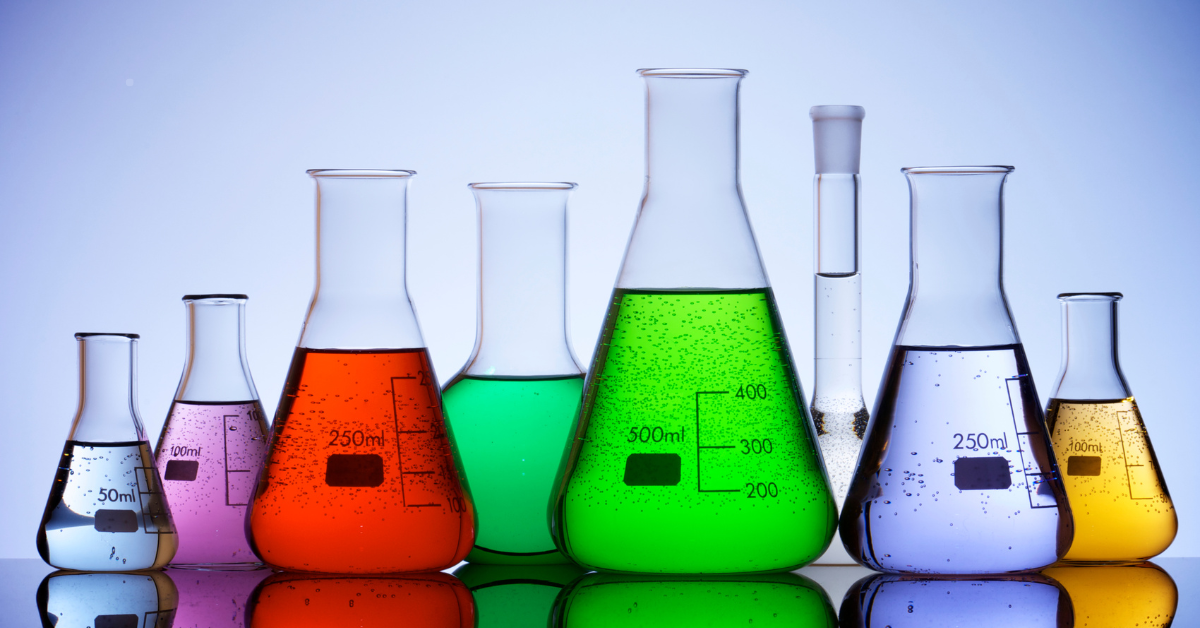
The size of these laboratories can range from small facilities in residences, automobiles, or hotel rooms to larger, more advanced installations in warehouses. Meth labs pose a risk because of the unstable substances used to make the drug, leading to potential explosions, fires, and toxic gas emissions. The procedure frequently includes dangerous materials such as pseudoephedrine, lithium, and anhydrous ammonia, creating dangers for those nearby and causing environmental pollution. Law enforcement agencies are actively working to pinpoint and close down these operations to stop the spread of meth and its related risks.
What Does a Meth Lab Look Like?
Meth labs are present in various places, such as residences, apartments, vehicles, or deserted structures. They commonly camouflage themselves in their environment, making it easier to detect them if you are familiar with the indicators. These unauthorized labs usually have makeshift tools and hazardous substances, emitting strong chemical smells that are difficult to ignore. The labs are frequently unclean, filled with mess, chemical containers, and makeshift tools spread out.
Signs of a meth lab can include:
- Windows covered or blacked out to prevent visibility.
- Excessive amounts of cold medicine, matches, and lithium batteries.
- Stains on walls, floors, or ceilings from chemical spills.
- Improvised glassware, plastic tubing, and large containers of solvents.
- Discarded containers or waste outside, such as empty fuel cans or antifreeze containers.
- Unusual security measures, like surveillance cameras or “No Trespassing” signs.
- Frequent visitors at odd hours or unusual activity around the property.
Meth labs are hazardous not only to those making the drug but also to anyone nearby. The chemicals used in production can cause fires, explosions, and long-lasting environmental contamination. If you suspect a meth lab, it’s crucial to avoid approaching the area and instead notify the authorities immediately.
What Does a Meth Lab Smell Like?
Meth labs frequently emit potent and unpleasant smells as a result of the chemicals involved in creating the drugs. A familiar odor often connected to a meth lab is a strong, ammonia-like smell, resembling cat urine or window cleaner. Some individuals also mention a tangy, vinegar-esque scent or a foul odor similar to decayed eggs due to the presence of sulfur-based substances. The strong fragrances are usually overwhelming and noticeable from afar, especially in a poorly ventilated laboratory.
The specific chemical smells may change based on the production method of meth, but they are typically solid and bothersome to the nose and throat. Continued inhalation of these vapors can result in feelings of nausea, headaches, dizziness, and respiratory problems, indicating not only unlawful behavior but also a significant health risk. If you notice these smells, avoid the location and contact the authorities.
Why Do Meth Labs Explode?
Meth labs are prone to explosions because of the highly volatile and flammable chemicals used in the methamphetamine production process. Several substances, including ether, acetone, and anhydrous ammonia, are highly reactive and can ignite or combust efficiently when in contact with heat, open flames, or static electricity. The informal setup of these laboratories frequently results in the individuals managing these hazardous substances needing more safety gear or expertise, raising the chances of incidents occurring.
Aside from improper handling, meth labs are commonly situated in confined areas with minimal ventilation, leading to the accumulation of flammable vapors. A mere spark from actions like flicking a light switch or using a cell phone can lead to an explosion. The unstable chemical reactions, along with the dangerous setting, make meth labs highly dangerous to both the manufacturers and individuals in the vicinity. Law enforcement takes precautions when shutting down operations because explosions can result in severe damage, fires, and loss of life.
Leave Meth Addiction in the Past With Our Georgia Detox Center
If you or someone you care about is battling meth addiction, it’s crucial to seek professional help to begin the path to recovery. Our meth detox in Atlanta offers a safe and supportive environment where you can undergo withdrawal under the care of experienced medical professionals, ensuring your comfort and safety. Detox is just the first step; our alumni program provides ongoing support and connection, offering a sense of community and continued guidance long after treatment. We understand that recovery is a lifelong journey, and our alumni program helps keep you on track with access to valuable resources and peer support. Check out our blog, where we share helpful information and insights into addiction, treatment options, and recovery strategies.