Drug and Alcohol Detox Center
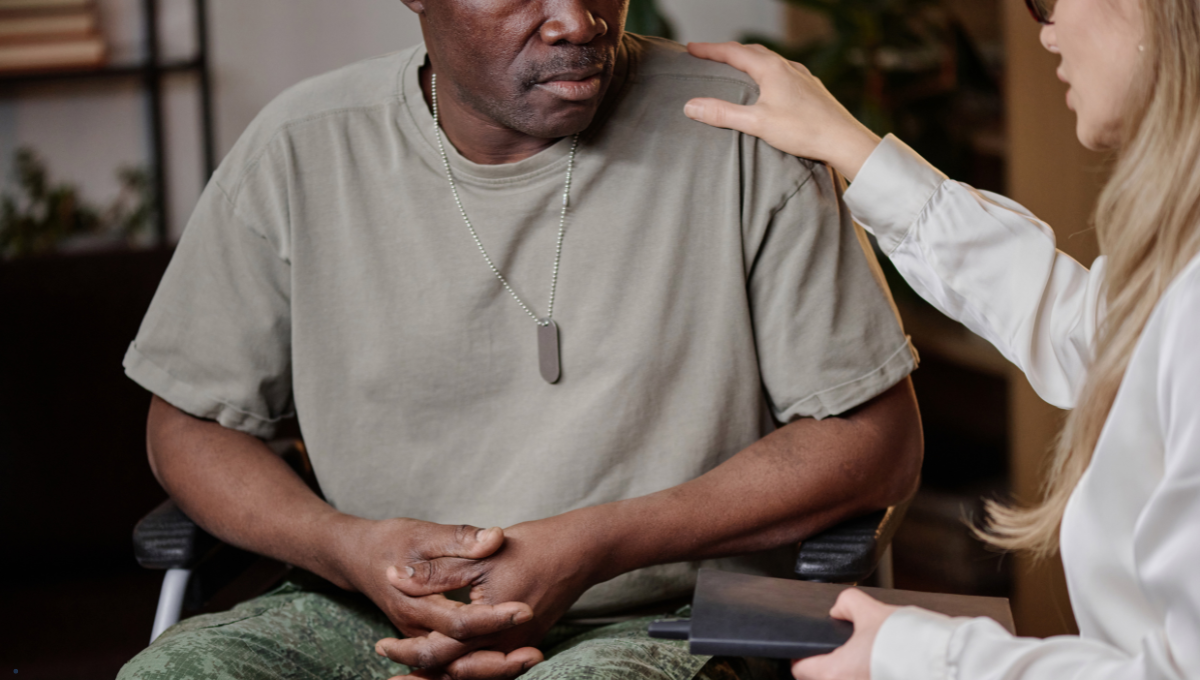
Substance abuse among veterans is a growing concern, with many turning to drugs and alcohol to cope with the unique challenges they face after their military service. From combat-related trauma and chronic pain to difficulties adjusting to civilian life, veterans are particularly vulnerable to developing substance use disorders. Understanding the veteran substance abuse statistics provides a clearer picture of the magnitude of this issue, shedding light on how drug and alcohol abuse affects this population at alarming rates. This comprehensive look at the statistics with Atlanta Detox Center emphasizes the importance of targeted treatment and support for veterans struggling with addiction.
What Can Impact Veteran Substance Abuse Statistics?
Various factors are responsible for the elevated rates of substance abuse among veterans in comparison to the general population. Exposure to combat and trauma is a significant factor that can result in mental health problems like PTSD, anxiety, and depression. Frequently, these circumstances lead veterans to turn to substance abuse as a way to deal with things. Veterans may resort to alcohol, marijuana, or prescription drugs as a way to self-treat and dull the emotional distress linked to their past experiences. The strain of readjusting to civilian life, combined with feelings of solitude and challenges in adapting to non-military responsibilities, can worsen inclinations towards substance abuse.
Additionally, veterans often turn to substance use as a coping mechanism for chronic pain caused by service-related injuries. A lot of former soldiers receive prescriptions for opioid pain medications, like hydrocodone, to help with pain control. Nevertheless, extended use of these drugs may result in dependency, mainly as veterans try to cope with both physical and emotional suffering. Veterans are at an increased risk of substance misuse due to the easy access to prescription drugs, as well as their mental health issues and the opposing views on seeking assistance. It is essential to tackle these root causes to decrease substance abuse rates among this group effectively.
Veteran Drug Abuse Statistics
Various factors, such as exposure to trauma, chronic pain, and the ease of access to prescription drugs, can contribute to the higher likelihood of drug abuse among veterans. Drug use among veterans is increasing, leading many to use substances such as marijuana, heroin, and cocaine to address physical and mental health challenges. The information indicates that drug addiction is common among this group, and treatment programs typically focus on both substance abuse and mental health issues.
This data includes:
- Marijuana use: 3.5% of veterans reported using marijuana in the last month, and 11.1% (2.3 million) reported use in the previous year.1
- Heroin addiction: Nearly 11% of veterans admitted to treatment centers were admitted for heroin use.1
- Heroin addiction: Approximately 45,000 veterans were diagnosed with heroin addiction.3
- Cocaine addiction: Over 6% of veterans entering treatment were admitted for cocaine use.1
- Painkiller addiction: Around 41,000 veterans were diagnosed with an addiction to prescription painkillers, especially hydrocodone.3
Veterans are at a greater risk of addiction due to their increased use of prescription medications for pain management, especially opioids. Male veterans have a higher susceptibility to drug addiction than female veterans, with men being twice as prone to developing a substance use disorder. Without adequate help and assistance, these figures could keep increasing, highlighting the necessity for tailored treatment that focuses on the mental and physical well-being of veterans.
Veteran Alcohol Abuse Statistics
Alcohol misuse continues to be a notable problem among veterans, with a considerable number resorting to alcohol to deal with stress, trauma, and emotional challenges associated with their military experience. The rate of alcohol use disorders (AUD) among veterans is much greater than that of civilians, underscoring a significant area of worry. A large number of veterans seek help in programs aimed at addressing alcohol-related problems, indicating alcohol as the most frequently misused substance among this group.
This data includes:
- Primary substance: Alcohol is the primary substance for 65% of veterans entering treatment centers, nearly twice the rate of civilians.1
- Male veterans: Male veterans are more than twice as likely to be diagnosed with an alcohol use disorder than female veterans.2
- AUD among young veterans: In 2018, 25,000 veterans aged 18-25 had an AUD in the past year.3
- AUD among older veterans: In 2018, 874,000 veterans aged 26 or older had an AUD in the past year.3
- Alcohol abuse prevalence: More than 80% of veterans aged 26 and older abuse alcohol.2
- Co-occurring substance abuse: Around 7% of veterans abuse both alcohol and illegal drugs.2
Alcohol abuse commonly coexists with mental health issues like PTSD and depression, which complicates the treatment of veterans. It is essential to address both the mental health and substance abuse components of their rehabilitation to guarantee lasting achievement. The elevated prevalence of alcohol use disorder in veterans, particularly male veterans, underscores the necessity of specialized intervention and holistic treatment initiatives explicitly designed for this group.
Supporting Veterans at Our Detox in Atlanta
At our detox centers in Georgia, we are committed to helping veterans overcome the challenges of substance abuse with specialized care that addresses their unique needs. Our comprehensive veterans detox programs provide a safe and supportive environment to help veterans through the initial stages of recovery. In addition to detox, our relapse prevention program equips veterans with the tools and strategies needed to maintain long-term sobriety and avoid setbacks. For more insights and resources on veteran substance abuse and recovery, visit our blog, where we regularly post helpful content.
If you or a loved one is a veteran struggling with addiction, don’t hesitate to call our Atlanta drug detox at 844-658-0927 for compassionate support and effective treatment.
Sources: