Drug and Alcohol Detox Center
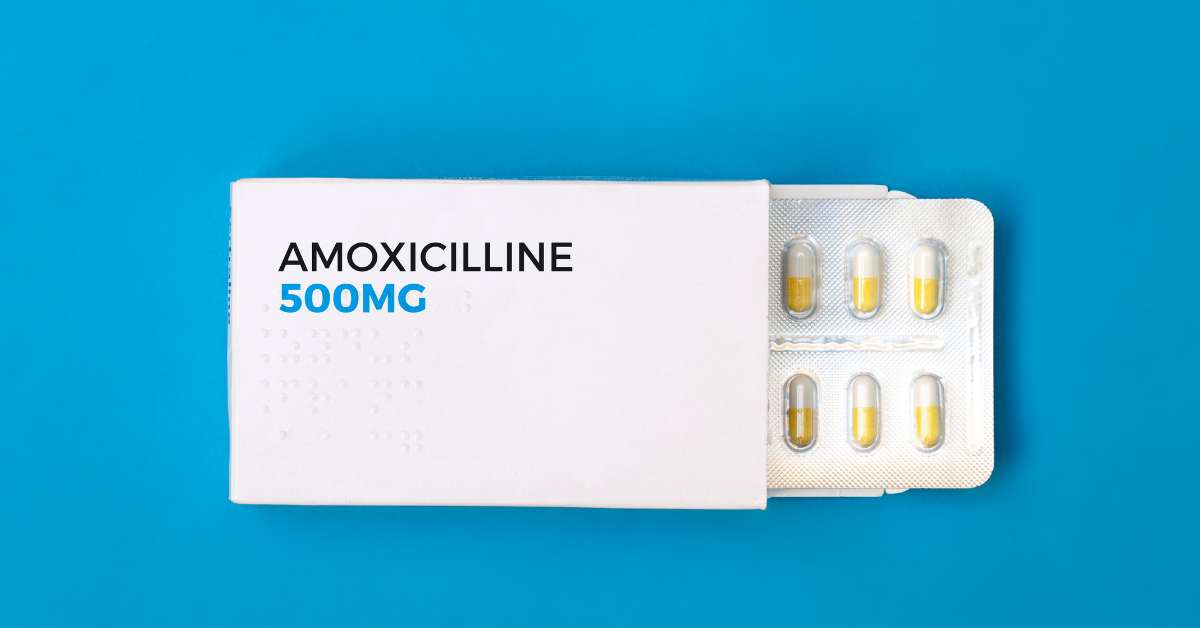
Mixing amoxicillin and alcohol is a common concern for many individuals prescribed this widely used antibiotic. While alcohol might not directly interfere with the effectiveness of amoxicillin, combining the two can lead to intensified side effects and hinder your recovery process.
At Atlanta Detox Center, we emphasize the importance of making informed choices about your health, especially regarding substance use and medications. Understanding how alcohol interacts with antibiotics like amoxicillin can help you make decisions that support your body’s healing and overall well-being.
Can You Drink on Amoxicillin?
When prescribed amoxicillin, a commonly used antibiotic, many patients question the safety of drinking on amoxicillin. While consuming alcohol doesn’t directly reduce the effectiveness of the medication, it can amplify specific side effects like dizziness, nausea, and an upset stomach. Additionally, combining alcohol and amoxicillin can make it harder for your body to recover by weakening the immune system, prolonging the healing process, and increasing overall discomfort.
Healthcare professionals often advise against drinking while taking any antibiotic, including amoxicillin. The combination can also strain the liver, which is already working to process both the medication and the alcohol. Prioritizing hydration and avoiding substances like alcohol helps support your body’s ability to heal and recover efficiently. If you’re unsure about how alcohol might affect your treatment, it’s always best to consult your doctor or pharmacist.
What Else You Should Consider Before Drinking on Antibiotics
Before deciding to drink alcohol while on antibiotics, it’s essential to understand the potential risks associated with antibiotics and alcohol. Combining alcohol and antibiotics can intensify side effects like dizziness and nausea, which may already be present with the medication. Additionally, alcohol can impair your immune system’s ability to fight off infections, potentially prolonging your recovery and increasing overall discomfort.
Key factors to keep in mind include:
- Medication-specific interactions: Some antibiotics, like metronidazole or tinidazole, can cause severe reactions when mixed with alcohol, including vomiting, flushing, and rapid heartbeat. Always check if your antibiotic has specific warnings.
- Liver function: Both alcohol and antibiotics are processed by the liver. Drinking can overburden this vital organ, leading to a slower metabolism of the medication and increased toxicity.
- Severity of illness: Drinking may delay recovery from more severe infections, as alcohol can interfere with your body’s ability to heal.
- Dehydration risk: Alcohol dehydrates the body, which can worsen side effects like dizziness or headaches and hinder overall recovery.
- Doctor’s advice: Always follow your doctor’s guidance regarding alcohol consumption while on any medication.
While it might be tempting to have a drink during your antibiotic treatment, the combination of antibiotics like amoxicillin and alcohol can introduce avoidable risks to your health. Staying hydrated and avoiding alcohol until your treatment is complete helps ensure that your medication works effectively and without interference. For any uncertainties, consult your healthcare provider for tailored advice.
Why Alcohol May Worsen Antibiotic Side Effects
Side effects like nausea, dizziness, and stomach upset are already possible when taking antibiotics. Adding alcohol to the mix can intensify these symptoms, making them more severe and more complex to manage. For instance, alcohol can irritate the stomach lining, leading to increased nausea or even vomiting, while its soothing effects can heighten feelings of fatigue or lightheadedness. These compounded effects may make your daily activities more challenging, turning a minor inconvenience into a significant disruption.
Moreover, alcohol is a diuretic, meaning it can dehydrate the body. Dehydration can worsen common antibiotic side effects such as headaches or weakness, leaving you even more drained. By avoiding alcohol during your course of antibiotics, you allow your body to focus its energy on healing, minimize discomfort, and reduce the risk of any adverse reactions. Staying hydrated and prioritizing rest are simple yet effective ways to support recovery.
Access Support for Alcohol Withdrawal at Our Detox in Atlanta
At our detox centers in Georgia, we understand that questions about mixing amoxicillin and alcohol can open the door to broader concerns about alcohol consumption and its impact on health. If you’re struggling to manage your alcohol intake or are experiencing difficulties with prescription medications, our specialized alcohol detox programs and prescription drug detox programs provide the care and guidance needed to start your recovery journey.
These Atlanta detox programs are designed to help you safely navigate the detox process while addressing the underlying challenges associated with substance use. If you’re looking for more insights into topics like alcohol, prescription medications, and their effects on health, explore our blog for valuable resources and expert advice.