Drug and Alcohol Detox Center
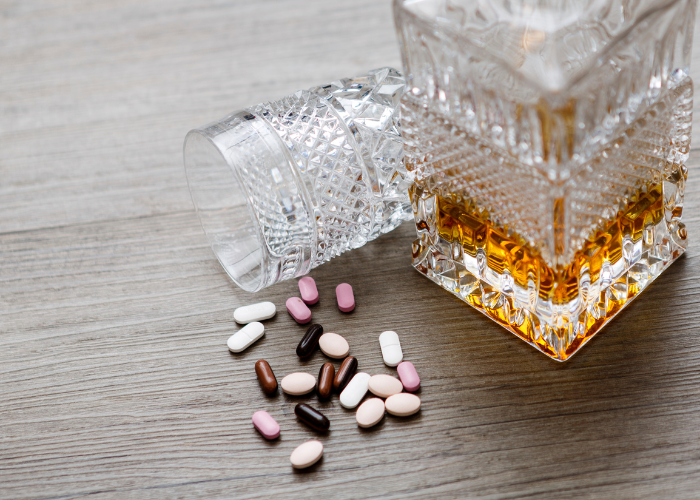
Mixing benzodiazepines (benzos) and alcohol is a dangerous combination that can have severe and even life-threatening consequences. Both substances are central nervous system (CNS) depressants, meaning they slow down brain activity and essential functions like breathing and heart rate. While benzos are commonly prescribed to manage anxiety, insomnia, or seizures, combining them with alcohol amplifies their effects, increasing the risks of sedation, respiratory depression, and overdose. With years of experience aiding individuals in addiction recovery, Atlanta Detox Center shares why mixing benzos and alcohol is so dangerous, the potential health risks, and what to do if you or a loved one is struggling with substance use.
How Do Benzodiazepines Work?
Benzodiazepines are a class of prescription medications that work by enhancing the effects of gamma-aminobutyric acid (GABA), a neurotransmitter in the brain. GABA helps calm overactive nerve signals, which can contribute to feelings of anxiety, stress, or agitation. By increasing GABA’s effects, benzodiazepines slow down brain activity, creating a sedative, calming, or muscle-relaxing effect.
This mechanism makes benzodiazepines effective for treating various conditions, including:
- Anxiety disorders: Reducing excessive worry and physical symptoms of anxiety
- Insomnia: Helping people fall and stay asleep
- Seizures: Preventing and controlling seizure activity
- Muscle spasms: Relaxing muscles to reduce pain or discomfort
- Alcohol withdrawal: Managing symptoms like tremors, seizures, and agitation
While effective for short-term use, benzodiazepines can be habit-forming and should be taken only as prescribed. Misuse or combining them with other substances, like alcohol, significantly increases the risk of dangerous side effects, dependence, and overdose. Individuals who are showing signs of dependence can recover safely at our benzo detox center in Atlanta.
Side Effects of Mixing Benzos and Alcohol
Mixing benzos with alcohol is extremely dangerous because both substances are CNS depressants. Their combined effects can overwhelm the body, leading to severe and potentially life-threatening side effects.
Here are some of the most common and dangerous side effects of mixing benzodiazepines and alcohol:
- Extreme Sedation and Drowsiness: The combination can cause excessive tiredness, making it difficult to stay awake or respond to stimuli.
- Impaired Motor Skills and Judgment: Both substances affect coordination and decision-making, increasing the risk of accidents, injuries, and risky behaviors.
- Memory Problems and Blackouts: Mixing benzos and alcohol can cause short-term memory loss, making it difficult to recall events or conversations.
- Respiratory Depression: This combination can slow breathing to dangerously low levels, potentially leading to oxygen deprivation, unconsciousness, or even death.
- Increased Risk of Overdose: The sedative effects of both substances amplify each other, dramatically increasing the likelihood of overdose, which can result in coma or death.
- Heightened Risk of Dependence and Addiction: Using benzos and alcohol together increases the potential for physical and psychological dependence on both substances.
- Emotional and Cognitive Effects: Individuals may experience heightened anxiety, depression, or confusion, especially as the substances wear off.
- Cardiovascular Issues: The depressant effects can lower blood pressure and heart rate, leading to cardiovascular instability in severe cases.
This combination significantly increases the risks of accidental injury, overdose, and long-term health complications. Even so, benzos and alcohol are commonly misused together because some people seek to amplify the calming or euphoric effects. In fact, one study found that primary care patients with “unhealthy alcohol use” had a higher likelihood of using benzodiazepines than moderate drinkers and non-drinkers.1 As such, it’s crucial to be mindful of drinking while taking prescription medications.
Can Alcohol and Benzodiazepines Cause Cross Tolerance?
Yes, alcohol and benzodiazepines can cause cross-tolerance, a phenomenon where the frequent use of one substance reduces sensitivity to the other. This occurs because both alcohol and benzodiazepines affect the CNS in similar ways, primarily by enhancing the activity of GABA. As such, it’s crucial to be mindful of drinking alcohol when taking prescription benzos like Lorazepam (Ativan), Alprazolam (Xanax), and Clonazepam (Klonopin). If you’ve been prescribed a benzodiazepine, be sure to speak with your doctor about safety measures regarding alcohol consumption.
Using Benzodiazepines for Alcohol Withdrawal: What to Know
Benzodiazepines are a cornerstone of medical treatment for alcohol withdrawal, particularly in severe cases where withdrawal symptoms can be life-threatening. When administered in a controlled medical setting, benzodiazepines like lorazepam (Ativan), diazepam (Valium), or chlordiazepoxide (Librium) help manage the physical and psychological symptoms of withdrawal while reducing the risk of complications.
Major reasons why medical professionals often use benzos for alcohol withdrawal symptoms include:
- Preventing Seizures: Alcohol withdrawal can cause seizures due to hyperactivity in the central nervous system (CNS). Benzodiazepines act as anticonvulsants, reducing this risk.
- Relieving Anxiety and Agitation: Benzos help calm the nervous system, easing anxiety, restlessness, and irritability that often accompany withdrawal.
- Managing Delirium Tremens (DTs): Severe alcohol withdrawal can lead to delirium tremens, a life-threatening condition characterized by confusion, hallucinations, and rapid heartbeat. Benzodiazepines help stabilize the patient.
- Stabilizing Vital Signs: Benzos reduce elevated blood pressure, heart rate, and other physiological changes caused by withdrawal.
How Benzodiazepines Are Used in Detox From Alcohol
- Short-Term Use: Benzodiazepines are typically used for a limited time during the acute withdrawal phase to prevent dependency on the medication itself.
- Tapered Dosage: Medical professionals gradually reduce the dose to safely wean the body off benzodiazepines as withdrawal symptoms subside.
- Comprehensive Care: Benzodiazepines are part of a broader treatment plan that may include hydration, nutritional support, and psychological care.
Keep in mind that using benzodiazepines for alcohol withdrawal should only occur under the guidance of healthcare professionals to avoid complications like respiratory depression or misuse. Additionally, while benzos manage withdrawal symptoms, they do not address the root causes of alcohol dependence, which require comprehensive detox and addiction treatment.
If you or someone you care about is displaying signs of benzo or alcohol addiction, contact our Georgia detox center right away. We offer professional drug detox programs designed to help individuals overcome withdrawals in a safe and comfortable environment. Let us help pave the way to a sober future.
Recovering From Benzo-Alcohol Abuse With Atlanta Detox Center
If you or someone you love is struggling with the dangers of benzodiazepine and alcohol use, help is available. Our detox center in Atlanta offers medically monitored detox programs tailored to address the unique challenges of benzo and alcohol withdrawal. Our compassionate team provides a safe, supportive environment to help you take the first step toward recovery.
Contact Atlanta Detox Center online or call our confidential line at 844-658-0927 today to learn more about our programs and start your journey to a healthier, substance-free life.
Source:
- The American Journal of Managed Care – Benzodiazepine and Unhealthy Alcohol Use Among Adult Outpatients