Drug and Alcohol Detox Center
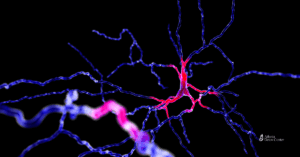
Addiction affects not only behavior but also the chemistry of the brain. At Atlanta Detox Center, we understand how substances like drugs and alcohol alter the brain’s natural processes, especially those involving dopamine, the neurotransmitter most closely tied to reward and motivation. When dopamine levels are disrupted by chronic substance use, it can drive people into cycles of dependency that feel impossible to escape.
Understanding the link between dopamine and addiction isn’t just about science. It’s about giving people clarity, answers, and hope. For those in Tennessee and beyond, learning how addiction changes the brain may be the first step toward lasting recovery.¹
What Is Dopamine and Why Is It Linked to Addiction?
Dopamine is a neurotransmitter that plays a central role in the brain’s reward system. It helps regulate mood, motivation, pleasure, and attention. When you achieve something or experience joy, your brain releases dopamine, reinforcing that behavior. This process is crucial for healthy functioning. But it becomes dangerous when artificially triggered by substances.
Drugs and alcohol can cause dopamine levels to spike unnaturally, sending intense pleasure signals to the brain. Over time, the brain adapts by producing less dopamine naturally or reducing the number of dopamine receptors, making it harder to feel joy without the substance. This imbalance is central to the cycle of addiction, where the brain constantly seeks the next dopamine “hit” to feel normal again.¹
This foundational connection between dopamine and addiction is one reason that breaking the habit becomes so difficult. The brain is no longer operating the way it was designed to, and it takes time, support, and treatment to help it reset.
Dopamine and Drug Use: How Substances Hijack the Brain
Different substances impact dopamine in different ways, but they all share one thing in common: they disrupt how dopamine is released and absorbed. Cocaine, for example, blocks the reuptake of dopamine, flooding the brain with it and prolonging the high. Over time, this rewires the brain’s reward system and can create deep psychological dependence.²
To understand this process further, explore our post on how cocaine affects the brain.
Alcohol, though it may seem like a depressant rather than a stimulant, also manipulates dopamine levels. Drinking initially boosts dopamine, which may explain the feeling of euphoria in the early stages. However, prolonged alcohol use ultimately depletes dopamine stores and impairs cognitive function, mood stability, and motor control.
These shifts in brain chemistry and addiction aren’t temporary. They can persist long after someone stops using, which is why detox and treatment must address both the physical and neurological aspects of recovery.
Learn more in our guide on the effects of alcohol on your mental and physical health.
Addiction and Mental Health: The Dopamine Connection
Mental health conditions like depression, anxiety, and PTSD are often present alongside addiction. These co-occurring disorders are not just circumstantial. They’re deeply rooted in the same disrupted neurochemical pathways. Dopamine dysregulation can lead to mood disorders, and those same disorders can drive people toward substance use in search of relief.
This bidirectional relationship is why addiction and mental health treatment must happen together. At Atlanta Detox Center, we use a dual diagnosis approach that addresses both the emotional and neurological challenges people face in recovery.
To explore this link further, visit our article on why mental disorders coexist with substance use.
Can Your Brain Recover From Dopamine Imbalance?
The good news is that with time and proper care, the brain can begin to heal. Neuroplasticity, the brain’s ability to form new connections and pathways, means that even after long-term drug or alcohol use, recovery is possible.
Medically supervised detox is the first step. During detox, the body rids itself of substances while trained professionals manage withdrawal symptoms and monitor neurochemical stabilization. After detox, therapy, nutrition, sleep regulation, and social connection all help restore dopamine balance.
Therapeutic programs that include cognitive behavioral therapy (CBT), group support, and wellness routines have been shown to improve dopamine regulation over time.³ While healing is rarely instant, it is achievable and worth pursuing.
Why Professional Detox Helps Reset Brain Chemistry
Rebalancing dopamine doesn’t happen overnight, and trying to detox at home can make things worse. Cravings, mood swings, and physical withdrawal symptoms are all signs that the brain is adjusting, and that adjustment should be supported by clinical care.
Our team at Atlanta Detox Center provides evidence-based detox and treatment for individuals across Tennessee. Whether you’re seeking help for yourself or someone you care about, we’re here to guide you through the process in a safe, compassionate environment.
If you’re looking for addiction treatment near Tennessee, learn more about our regional offerings on our Tennessee location page.
FAQ: Understanding Dopamine and Addiction
How do drugs and alcohol affect dopamine levels?
Substances like cocaine, alcohol, and opioids cause unnatural surges in dopamine, which overstimulate the brain’s reward center. Over time, the brain stops responding normally to dopamine, leading to tolerance, cravings, and dependence.
Can your brain recover from a dopamine imbalance?
Yes. Although it takes time, the brain can form new connections and restore dopamine levels with the help of detox, therapy, and healthy lifestyle changes. Structured treatment programs support this process.
How addiction changes the brain over time
Addiction gradually rewires the brain, particularly areas tied to decision-making, impulse control, and reward. Chronic substance use reduces dopamine sensitivity and alters memory and emotional regulation, which can make relapse more likely without proper support.
Start Healing from Dopamine-Driven Addiction
Understanding the role of dopamine and addiction can empower individuals to take the next step in their recovery journey. If you or someone you love is struggling, know that help is available. At Atlanta Detox Center, we offer comprehensive detox and treatment options tailored to your needs.
We provide 24/7 admissions, free insurance verification, and a supportive, judgment-free environment. Let us help you or your loved one reset, recover, and reclaim life.
Explore our withdrawal programs, reach out via our contact form, or call us anytime at 844-658-0927.
Sources
- How an Addicted Brain Works. Yale Medicine. https://www.yalemedicine.org/news/how-an-addicted-brain-works. Published July 13, 2023. Accessed June 2025.
- Central Nervous System and Substance Abuse. American Addiction Centers. https://americanaddictioncenters.org/health-complications-addiction/central-nervous-system. Accessed June 2025.
- Volkow ND, Koob GF, McLellan AT. Neurobiologic advances from the brain disease model of addiction. N Engl J Med. 2016;374(4):363-371. doi:10.1056/NEJMra1511480. https://pubmed.ncbi.nlm.nih.gov/31905114