Drug and Alcohol Detox Center
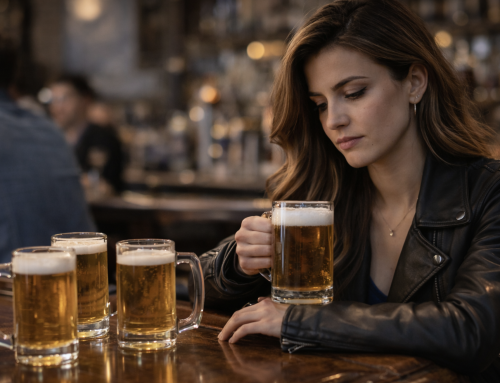
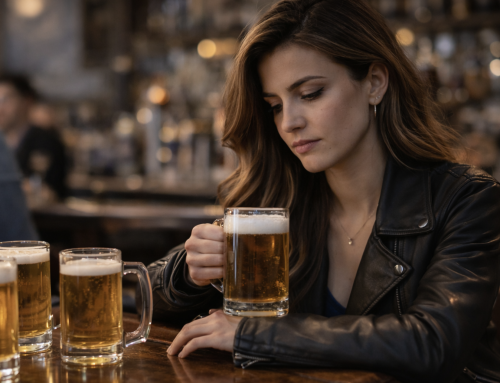
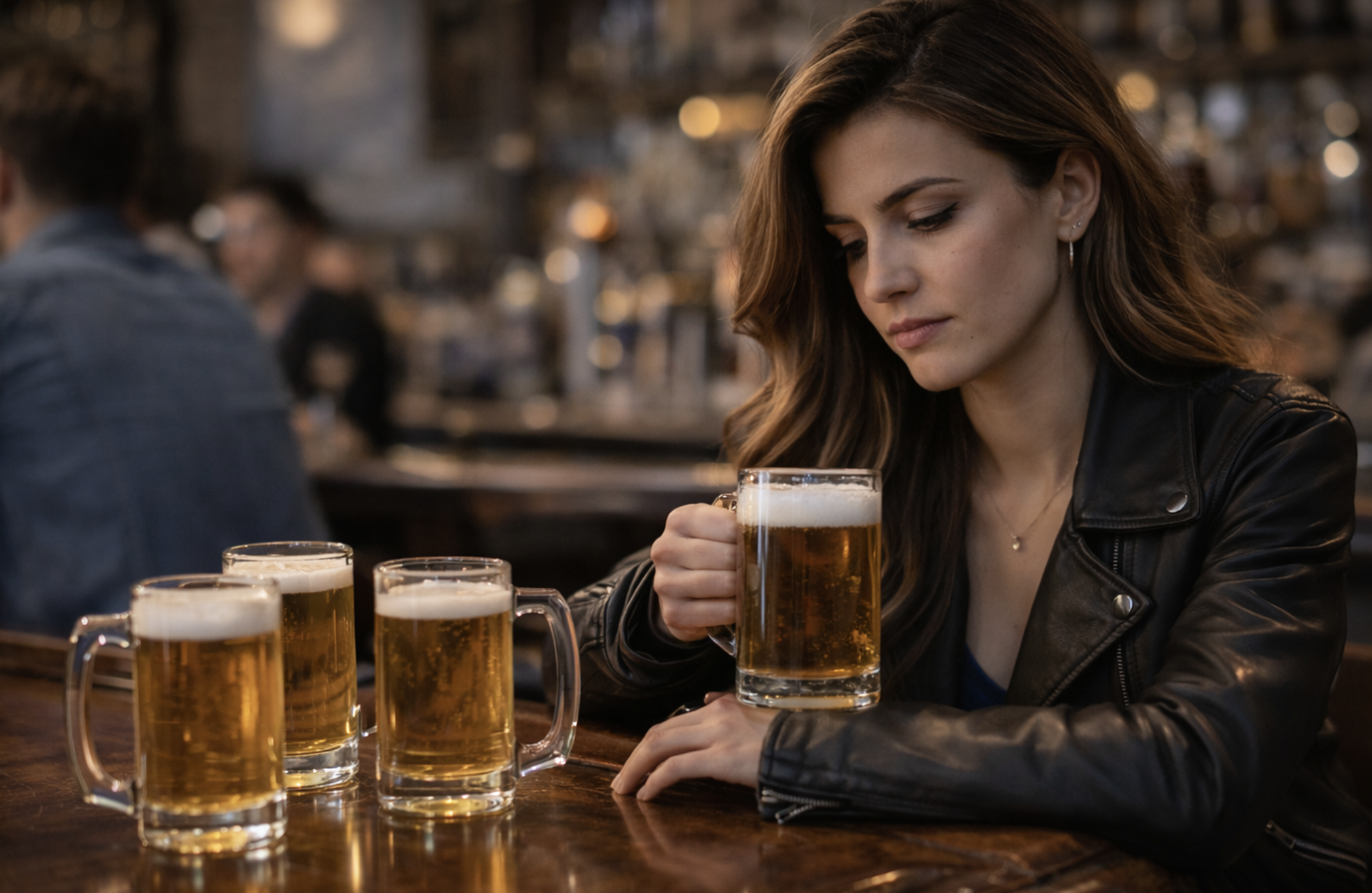
Alcohol cravings can feel intense, sudden, and hard to explain. One minute you’re fine, and the next your brain is pushing you toward a drink. These cravings aren’t a sign of weakness—they’re a sign that your body and mind have learned to rely on alcohol in ways you may not even realize. Understanding what causes cravings can make them easier to manage and give you the power to take back control.
Cravings usually start in the brain. Alcohol triggers a rush of dopamine, the “feel-good” chemical. Over time, the brain remembers that drinking brings temporary relief, pleasure, or comfort, so it begins to ask for more. When you’re stressed, tired, emotional, or bored, the brain may send signals that drinking will fix the feeling. These signals show up as cravings—even if you know alcohol won’t actually help long-term.
Another reason cravings happen is because your body gets used to a routine. If you normally drink after work, on weekends, or when you’re overwhelmed, your brain forms habits around those moments. The environment, the time of day, and even certain people can trigger the urge to drink. It’s not random—it’s conditioning. Your brain expects the drink, so it asks for it.
Emotions also play a major role. Many people use alcohol to cope with stress, sadness, anxiety, anger, or loneliness. When those emotions appear, the craving appears too. Over time, your brain begins to think alcohol is the solution to emotional discomfort. But alcohol usually makes the emotions worse in the long run, not better. It becomes a cycle that’s hard to break without support or new coping skills.
Cravings can also be physical. If your body has started depending on alcohol, even a little, you may feel cravings when your blood alcohol level drops. These cravings can feel like restlessness, irritability, sweating, or anxiety. It’s your body’s way of asking for what it’s become used to—even if it’s harmful.
The good news is that cravings can be controlled. One of the most effective ways is identifying your triggers. Once you know what sets off the urge, you can plan ahead. Simple things like changing your routine, distracting yourself with a quick task, calling a friend, or stepping outside can interrupt the craving long enough for it to pass. Most cravings only last a few minutes, even if they feel intense.
Another powerful strategy is building new coping habits. Instead of reaching for alcohol when stress hits, try grounding exercises, movement, deep breathing, journaling, or talking to someone you trust. These skills help retrain your brain so it no longer associates stress with drinking. Over time, the cravings weaken.
Taking care of your physical health also helps. Eating balanced meals, staying hydrated, and getting good sleep all reduce the intensity of cravings. When your body feels stronger and more regulated, your mind does too. Support groups, therapy, and sober communities can also make a huge difference by giving you connection, motivation, and accountability.
Most importantly, cravings do not mean you’re failing—they just mean your brain is healing. Every time you resist a craving, you weaken its power and strengthen your ability to stay in control. Life is short, and you deserve peace, clarity, and freedom from the constant pull of alcohol. With the right tools and support, cravings become easier to manage, and sobriety becomes more empowering every day.
Call us at 844-658-0927 or contact us today to speak with a member of our admissions team.