Drug and Alcohol Detox Center
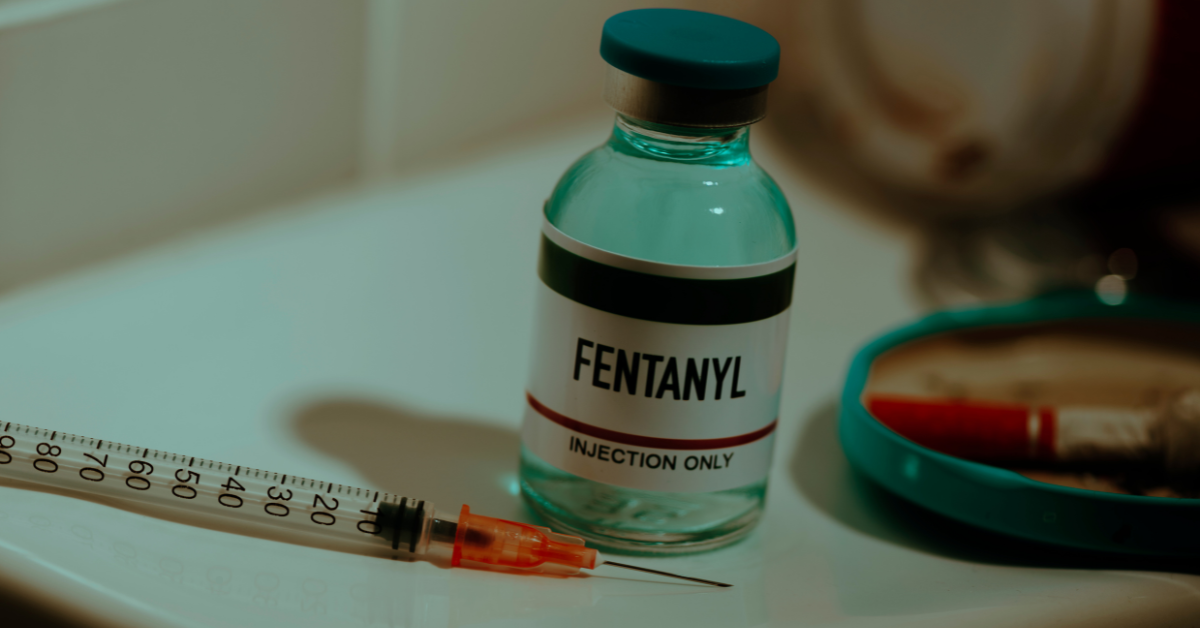
When considering the potential for drug testing or managing concerns about fentanyl exposure, answering the question, “How long does fentanyl stay in your system?” is crucial. Its presence can be detected through various testing methods, such as urine, blood, or hair tests, with each technique having different detection windows.
Fentanyl is a powerful synthetic opioid that can remain in your system for varying lengths of time depending on several factors, such as the dosage, frequency of use, and the individual’s metabolism. Atlanta Detox Center offers critical information regarding the duration of time this substance remains in one’s system for individuals undergoing treatment and healthcare providers monitoring drug use.
Does Fentanyl Show Up on a Drug Test?
While it is possible to detect the presence of fentanyl on a drug test, not all standard drug tests have the ability to recognize this potent synthetic opioid. Many standard tests, like those conducted in workplaces, do not screen for fentanyl. Nevertheless, specific tests such as the fentanyl urine test and blood tests are necessary to identify this substance. These tests target specific metabolites, and the fentanyl blood levels measured can help determine recent use. Understanding how fentanyl shows up on drug tests and the types of tests available is essential for accurate detection.
Factors of a drug test for fentanyl include:
- Standard Drug Tests: Typical workplace drug tests do not include fentanyl as part of their opioid panel, which usually screens for substances like heroin, morphine, and codeine.
- Fentanyl-Specific Tests: Special urine, blood, and hair tests are available to detect fentanyl and its metabolites, such as norfentanyl. The fentanyl urine test is one of the most common methods, capable of detecting the drug for up to 72 hours after use.
- Fentanyl Blood Levels: Blood tests can measure fentanyl blood levels, but these are typically used in a clinical setting to detect recent use. Fentanyl can be present in blood for up to 48 hours after consumption.
- Detection Windows: Fentanyl can be detected in urine for up to 72 hours, while hair tests can reveal fentanyl use for up to 90 days.
- Lab Testing vs. Rapid Screening: Laboratory tests are more reliable for detecting fentanyl, as rapid screening tests may not always be accurate enough.
Because fentanyl is not typically included in standard drug panels, specific fentanyl urine tests or blood tests may need to be requested when searching for use of this substance. Testing may vary based on the type of screening, so consulting a healthcare professional is recommended for accurate results.
Why Might a Fentanyl Drug Test Be Necessary?
In cases of suspected fentanyl use or exposure, a fentanyl drug screening may be required to confirm the presence of the potent synthetic opioid. Due to its strength, even tiny doses of fentanyl can result in serious harm, such as an overdose. Testing plays a vital role in medical emergencies, especially when a person shows signs of opioid overdose but receives negative results from traditional opioid tests. Emergency room doctors might request a fentanyl-specific test to detect the drug and provide necessary treatment. This examination is crucial for saving lives since fentanyl has been a significant cause of opioid-linked fatalities in recent times because of its strength and common occurrence in illegal substances.
A drug test for fentanyl is crucial in rehab environments, where those recovering from opioid addiction are screened to confirm their avoidance of fentanyl. Regular testing could be included in treatment plans to check adherence and lower the risk of relapse. Furthermore, if there is a belief in fentanyl exposure, law enforcement and workplace settings may also administer these tests, especially in fields where employees handle hazardous materials. Ensuring individuals are not under the influence of even small amounts of fentanyl is crucial for safety in medical and occupational environments due to its deadly nature.
Move Past the Abuse of Opioids at Our Detox Centers in Georgia
Breaking free from opioid addiction is a journey, not a destination. Our opioid detox program offers the tools, support, and personalized care you need to reclaim your life. From our effective detox process to our comprehensive relapse prevention strategies, we’re here to guide you every step of the way. You should not have to face the challenges of opioid withdrawal alone, and our detox in Atlanta is dedicated to ensuring you have the medical support and encouragement needed during this crucial time. Our individualized approach means your unique needs are prioritized, giving you the best chance at lasting recovery.