Drug and Alcohol Detox Center
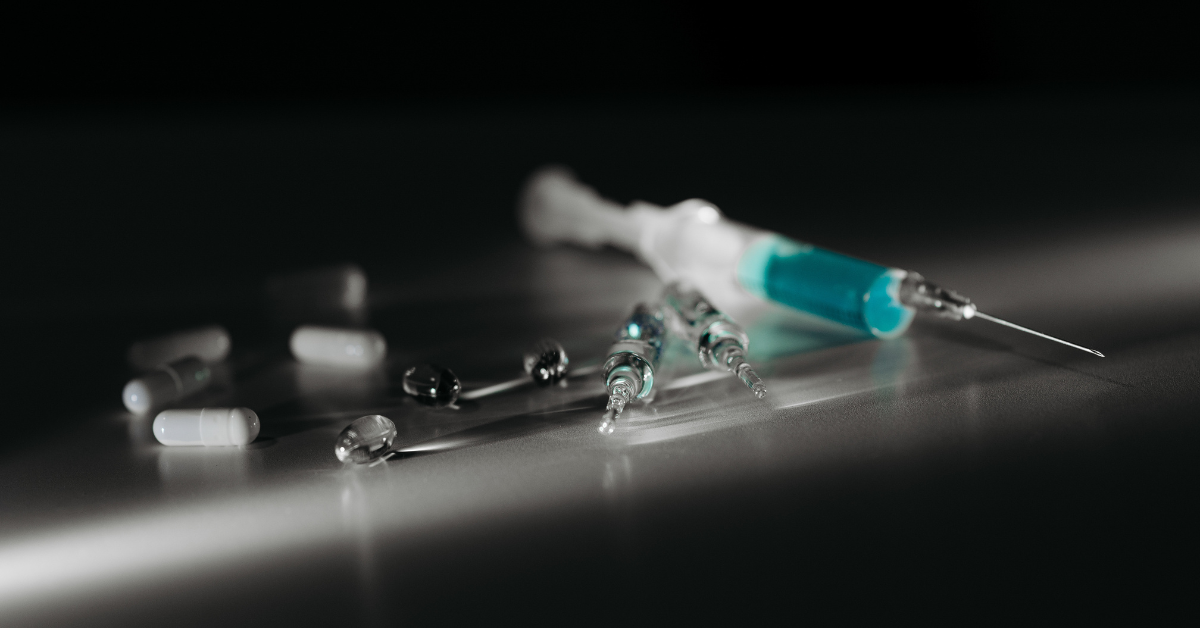
The rise of fentanyl mixed with xylazine—a potent and dangerous drug combination often referred to as tranq dope—is creating new challenges in the fight against opioid addiction. This powerful mix, which combines the deadly synthetic opioid fentanyl with xylazine, a veterinary tranquilizer, has spread rapidly across communities, increasing overdose risks and complicating traditional treatments.
Facilities like Atlanta Detox Center are on the front lines, offering specialized detox services and support for individuals affected by this growing crisis. With targeted care and community awareness, our detox in Atlanta is working to address the unique dangers of fentanyl and xylazine, helping individuals safely navigate the path to recovery.
What Is Tranq Dope? Understanding Fentanyl Mixed With Xylazine
Tranq dope, a novel and hazardous drug blend, includes fentanyl, a potent synthetic opioid, along with xylazine, a veterinary sedative not authorized for human consumption. Although fentanyl is widely known for its contribution to the opioid crisis because of its high potency and overdose danger, xylazine introduces an additional layer of risk.
This mixture extends the sedative effects of fentanyl, resulting in a powerful high that is more intense and lasts longer than fentanyl by itself. Xylazine, on the other hand, is not classified as an opioid, indicating that it does not react to Narcan (naloxone), the drug that is typically used to reverse opioid overdoses. This makes treating overdoses from xylazine mixed with fentanyl incredibly challenging, increasing the risk for users.
The attraction of xylazine for drug suppliers is due to its affordability and capacity to prolong the effects of fentanyl, aiding in the preservation of drug stocks. For users, however, this combination presents significant health hazards, such as extended respiratory depression, intense sedation, and distinct side effects like tranq sores, which are open wounds and skin ulcers that may be difficult to heal.
As tranq dope spreads in communities, particularly in some urban areas, its effects are becoming more concerning. This drug combination affects both seasoned users and newcomers to the drug environment who might not recognize the risks associated with xylazine. This increasing trend highlights the necessity for public awareness and educated methods for prevention and treatment.
The Health Risks and Effects of Tranq Dope
The mixture of fentanyl and xylazine brings with it a unique and alarming set of health risks. Xylazine intensifies the effects of fentanyl, making the drug combination more potent but also significantly more dangerous. One of the most concerning risks is the increased chance of a fatal overdose, as xylazine does not respond to naloxone, the typical life-saving medication for opioid overdoses. Beyond the threat of overdose, this combination poses long-term severe health issues that complicate recovery and treatment for individuals exposed to it.
Some of the most severe health risks associated with tranq dope include:
- Respiratory Depression: Xylazine can deepen fentanyl’s sedative effects, causing dangerously slow breathing, which is a primary cause of fatal overdoses.
- Tranq Sores: Xylazine can lead to open, slow-healing wounds on the skin, often on injection sites, that are difficult to treat and can lead to infections.
- Organ Damage: The combination of fentanyl’s toxicity and xylazine’s effects can put a severe strain on organs, especially the liver and kidneys.
- Mental Health Effects: Xylazine use has been linked to memory issues, cognitive impairment, and worsened mental health conditions over time.
- Complicated Withdrawal Symptoms: Withdrawal from xylazine is particularly intense and may not respond to standard opioid withdrawal treatments, complicating the detox process.
These health risks highlight the complex nature of tranq dope’s impact, extending far beyond the typical effects seen with opioid abuse. The addition of xylazine not only increases the physical damage but also makes treatment more challenging, as traditional opioid-focused therapies may not be fully effective. As this drug combination becomes more common, the need for specialized medical and mental health support to address its unique effects has become essential.
Addressing the Crisis: Awareness, Treatment, and Prevention
As fentanyl with xylazine continues to spread, it has become critical for communities and health organizations to raise awareness about its unique risks. In several urban areas where this mixture is more prevalent, harm reduction groups are working to educate users on the dangers of xylazine in fentanyl. Community outreach programs play a vital role in spreading information, offering resources like test strips to help users detect the presence of xylazine in their drugs. Public health campaigns are also emphasizing the need for caution, as many users might unknowingly consume tranq dope, unaware of its severe effects.
Methods for treatment and prevention of tranq dope are developing as healthcare professionals gain more insight into its unique challenges. Conventional treatments for opioid addiction might be insufficient because of xylazine in fentanyl, which complicates reversal with standard drugs like Narcan and makes the withdrawal process more difficult. Specialized detoxification programs that can tackle both opioid and non-opioid withdrawal symptoms are crucial. These programs should include extensive addiction treatment services with medical and psychological assistance. By emphasizing awareness, harm reduction, and targeted care, communities can mitigate the effects of fentanyl with xylazine and shield individuals from its destructive consequences.
Learn About One of the Best Detox Centers in Georgia
As the dangers of fentanyl mixed with xylazine continue to escalate, seeking specialized support is essential for lasting recovery. Our comprehensive Atlanta detox programs provide a safe, structured environment to begin healing. In contrast, our alumni program offers ongoing support and community for those transitioning back to everyday life. For additional resources, insights, and updates, visit our blog to stay informed about addiction treatment and recovery.