Drug and Alcohol Detox Center
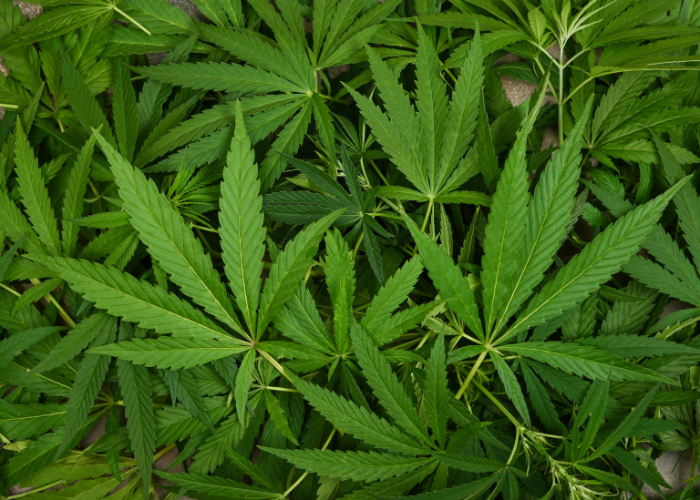
Marijuana is often perceived as a harmless drug, but for some, it can lead to dependency and addiction. Recognizing the signs of weed addiction is crucial for taking the first step toward recovery. Atlanta Detox Center shares how marijuana affects the brain and body, the risks of synthetic marijuana, the potential for physical addiction, and the signs to look out for if you or a loved one may be struggling with marijuana use.
How Does Marijuana Affect The Brain and Body?
Marijuana interacts with the body’s endocannabinoid system, primarily through its active compound, THC (tetrahydrocannabinol). THC binds to receptors in the brain, altering mood, perception, and coordination. Below are some short – and long-term ways weed affects the brain and body:
Short-term effects of marijuana include:
- Euphoria or relaxation
- Impaired memory and concentration
- Altered sensory perception
- Increased heart rate and appetite
Long-term effects of marijuana include:
- Impaired brain development (in young users)
- Decreased motivation
- Potential for chronic respiratory issues (when smoked)
While marijuana is known for its therapeutic uses, habitual use can disrupt daily functioning and lead to dependency. If you or a loved one is struggling with a dependency on marijuana, our addiction specialists can open the door to effective rehab for weed addiction. Call our confidential line at 844-658-0927 for more information.
What Is Synthetic Marijuana?
Synthetic marijuana, often referred to as “K2” or “Spice,” is an artificial drug designed to mimic the effects of THC. However, synthetic marijuana is far more dangerous due to its unpredictable potency and composition. Common side effects of synthetic weed include:
- Severe anxiety or paranoia
- Rapid heart rate
- Hallucinations
- Risk of overdose and long-term health complications
Unlike natural marijuana, synthetic marijuana can lead to more severe withdrawal symptoms, making addiction treatment even more critical.
Warning About Fentanyl-Laced Weed
In recent years, there has been a growing concern about marijuana laced with dangerous substances like fentanyl. Fentanyl is a highly potent opioid that can cause respiratory distress, overdose, and even death, even in tiny amounts. While not directly related to synthetic marijuana, reports of fentanyl-laced weed highlight the importance of purchasing marijuana from trusted, regulated sources. Contaminated weed poses an alarming risk, making it even more crucial to stay informed and vigilant.
If you suspect synthetic or laced marijuana use, seek medical help immediately—it could save a life.
Is Weed Physically Addictive?
While marijuana is not considered as physically addictive as substances like opioids, it can still lead to physical and psychological dependency.
Physical symptoms of withdrawal can occur, particularly in heavy users. These symptoms may include:
- Irritability
- Sleep disturbances
- Loss of appetite
- Sweating and headaches
The psychological aspect of addiction is often stronger, with users feeling unable to function without marijuana. These dependencies can disrupt relationships, careers, and overall mental health.
Is Weed More Addictive Than Alcohol?
Weed is objectively less addictive than alcohol, both for the consumer and the community. For instance, while the U.S. Centers for Disease Control and Prevention (CDC) reports that more than 117,000 annual U.S. deaths are attributed to chronic alcohol use, it does not even have a category for deaths caused by the use of marijuana.1 Substance use of any kind can lead to significant risks, including physical dependence, polysubstance abuse, and impaired decision-making that may have long-lasting impacts on a person’s life. For these reasons, the misuse of drugs and alcohol is strongly discouraged.
Am I Addicted to Weed? Signs to Look Out For
While it differs from alcohol use disorder, a person can become addicted to weed. Marijuana addiction, formally known as cannabis use disorder (CUD), is a medical diagnosis that reflects mild, moderate, or severe issues with marijuana use. According to the DSM-5 (Diagnostic and Statistical Manual of Mental Disorders), a person must exhibit at least two of 11 specific symptoms within 12 months to be diagnosed with CUD.2 The number of symptoms determines the severity of the disorder.
For those concerned about their marijuana use or someone else’s, understanding these 11 criteria can provide clarity. Below is a list of symptoms that can serve as warning signs of an addiction to weed:
- Loss of Control: Using more marijuana or for longer than originally intended
- Social Impairments: Neglecting work, social obligations, hobbies, or recreational activities because of marijuana use
- Inability to Stop: Wanting to quit or reduce marijuana use but being unable to do so
- Ignoring Risks: Continuing marijuana use despite dangerous or harmful situations arising from it
- Cravings: Feeling a strong urge to use marijuana when not using it
- Frustration of Existing Issues: Persisting in marijuana use even when it worsens physical or psychological problems
- Troubles in Key Areas of Life: Struggling to perform well at home, work, or school due to marijuana use
- Tolerance Building: Need more marijuana over time to achieve the desired effect
- Disregarding Problems Caused by Use: Continuing use despite it causing issues in personal relationships or other areas
- Withdrawal Symptoms: Experiencing physical or psychological discomfort when stopping or reducing marijuana use
- Disproportionate Focus: Spending excessive time or resources obtaining, using, or recovering from marijuana
These criteria highlight the biological and psychological components of cannabis use disorder. Often, people may exhibit one or more symptoms without realizing their use has shifted from recreational to problematic. A person may start using marijuana for fun, but over time, it can become a habitual and harmful behavior.
Additionally, signs such as frequent irritability, isolation, and declining performance in daily responsibilities may occur alongside the DSM-5 criteria. Recognizing the signs of weed addiction and related behaviors is an important step in identifying the progression from casual use to dependency.
If you or someone you know is experiencing these signs, it’s important to seek support. Understanding the symptoms of cannabis use disorder can help prevent further harm and pave the way toward recovery.
Begin Marijuana Addiction Treatment With Atlanta Detox Center
Recognizing the signs of weed addiction can feel overwhelming, but recovery is possible. Our Georgia detox center offers compassionate, comprehensive care for individuals struggling with marijuana dependency. Our medically monitored detox in Atlanta provides a safe and comfortable withdrawal process.
Taking the first step toward recovery can change your life. Contact Atlanta Detox Center online or call us at 844-658-0927 today to learn how we can aid rehab for weed addiction. Let us help you build a healthier, addiction-free future.
Sources:
- Facts about U.S. deaths from excessive alcohol use. Centers for Disease Control and Prevention. August 6, 2024. Accessed January 13, 2025. https://www.cdc.gov/alcohol/facts-stats/index.html.
- Patel J. Cannabis use disorder. StatPearls. March 20, 2024. Accessed January 13, 2025. https://www.ncbi.nlm.nih.gov/books/NBK538131/.