Drug and Alcohol Detox Center
Recognizing Early Signs of Alcohol Dependence
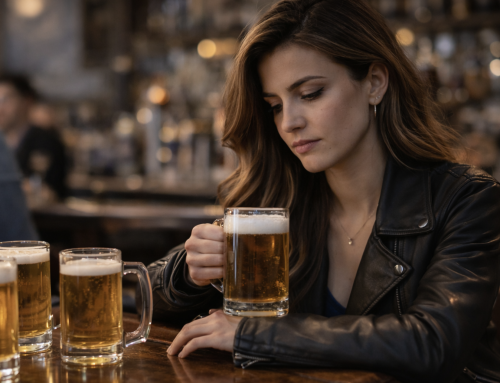
Alcohol dependence rarely starts with a dramatic moment. Instead, it creeps in quietly, disguised as “just relaxing,” “just having fun,” or “just unwinding after a long day.” The early signs are often subtle, easy to ignore, and easy to justify — until suddenly, drinking feels less like a choice and more like something you need. Recognizing the early warning signs of alcohol dependence can help you or someone you care about get support before things escalate. Awareness saves time, health, and sometimes even lives.
One of the earliest signs is drinking more than planned. Maybe you tell yourself you’ll have one or two drinks, but the night consistently ends with far more than intended. You may promise yourself you’ll cut back, only to do the same thing again the next day or weekend. This loss of control is one of the clearest early indicators that your relationship with alcohol is changing.
Another subtle sign is relying on alcohol to cope. If you find yourself turning to alcohol whenever you’re stressed, sad, anxious, bored, or overwhelmed, that’s a red flag. Drinking might feel like it “helps,” but in reality it only masks emotions temporarily. Over time, the brain begins to expect alcohol whenever it feels discomfort, creating a pattern that can quickly become dependency.
Craving alcohol is another early warning sign. Cravings don’t always feel dramatic — sometimes they show up as a nagging thought like “I need a drink,” or a strong urge at the end of the day. If drinking becomes something you look forward to more than anything else, or if you feel irritated when you can’t drink, dependence may be forming.
Changes in tolerance also happen early. Maybe it takes more drinks to feel the same effect, or maybe you notice you’re drinking faster than others around you. When your body becomes used to alcohol and stops responding the same way it used to, that’s a sign it’s adapting — and that adaptation can lead to physical dependence.
Another sign is hiding or minimizing drinking. People often downplay their alcohol use when they’re starting to feel uneasy about it. Maybe you drink before going out, sneak extra drinks, or avoid talking about how much you consume. Secrecy around alcohol is one of the earliest emotional markers of dependence, and it usually means drinking has become something you feel the need to protect.
Changes in behavior can appear too. Alcohol might start interfering with responsibilities — showing up late to work, skipping plans, or feeling too tired or hungover to function normally. You might find that you’re thinking about drinking during the day or planning your schedule around when you can have a drink. When alcohol starts influencing your choices, even in small ways, it’s worth paying attention.
Sleep problems can also signal early dependence. Many people use alcohol to fall asleep, not realizing it actually disrupts sleep cycles and leads to poor rest. If you find yourself relying on alcohol to wind down at night, it may be an early dependency behavior disguised as “relaxation.”
Emotionally, you might notice irritability, mood swings, or anxiety when you haven’t been drinking. These symptoms can be tiny withdrawal signals — your body’s way of asking for more alcohol to rebalance itself. This is an early physical sign of dependence and one that often gets mistaken for stress or burnout.
The important thing to remember is that recognizing early signs isn’t about judgment — it’s about awareness and prevention. Alcohol dependence develops over time, but so does recovery. The earlier someone sees the warnings, the easier it is to get support and redirect their path. Many people struggle silently because they think they “don’t have a problem yet.” But if alcohol is starting to affect your choices, emotions, routines, or health, that is a problem — and it’s okay to ask for help.
Life is short, and living it clearly, fully, and in control is worth fighting for. Recognizing early signs of alcohol dependence isn’t about fear — it’s about protecting yourself, your mental health, and your future before things get harder. Reaching out for support early can make all the difference. You deserve a life where alcohol doesn’t take more than it gives.
Call us at 844-658-0927 or contact us today to speak with a member of our admissions team.