Drug and Alcohol Detox Center
The Fentanyl Crisis in Atlanta: What Families Need to Know in 2026
Introduction
The fentanyl crisis has become one of the most urgent public health issues affecting families in Atlanta and across Georgia. What makes this moment especially dangerous is how quickly the drug landscape has changed. Fentanyl is now everywhere—from counterfeit pills to drugs that people don’t even associate with opioids.
For families, the hardest part is that this crisis often doesn’t look like what people expect. It’s not just affecting long-term drug users. It’s impacting teens, young adults, and people who may think they’re taking something completely different.
How Serious the Crisis Has Become
Fentanyl has taken over as the leading driver of overdose deaths in Georgia. The rise has been rapid and alarming over the past few years, especially as it has become more common in the illegal drug supply.
In metro Atlanta, the trend is clear—fentanyl is now present in a large percentage of overdose cases, showing how deeply it has impacted the region.
Why Fentanyl Is So Dangerous
Fentanyl is extremely potent—far stronger than most other opioids. Even a tiny amount can be enough to stop breathing.
What makes it even more dangerous in 2026 is that it’s rarely used alone. It’s often mixed into:
- Counterfeit prescription pills
- Cocaine or methamphetamine
- Party drugs like MDMA
This means someone may take a drug thinking it’s something relatively familiar, not realizing fentanyl is inside. That unpredictability is what’s driving so many overdoses.
The Rise of Counterfeit Pills in Atlanta
One of the biggest threats families need to understand is fake pills.
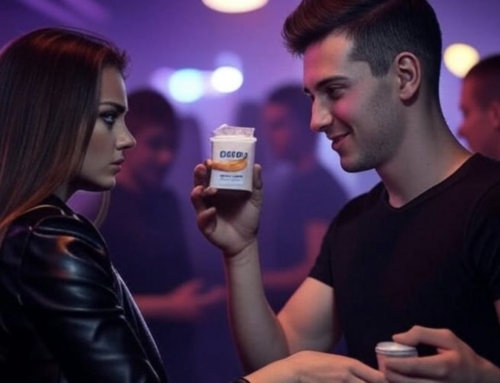
Many pills sold on the street or through social media look exactly like real medications—especially drugs like oxycodone or Xanax. But instead of regulated ingredients, they often contain fentanyl.
For teens and young adults, this is especially dangerous. Pills feel safer than other drugs—but today, that’s often not true.
Impact on Teens and Young Adults
One of the most alarming trends is how much fentanyl is affecting younger people.
Many overdose cases involve individuals who were not regular drug users. Instead, they may have taken a pill at a party or experimented once, not realizing the risk.
This shift has changed the crisis from something isolated to something that can affect almost any family.
Why Families Often Miss the Warning Signs
Part of what makes this crisis so difficult is how hidden it is.
Fentanyl doesn’t have a distinct look, smell, or taste. It can be present in substances that appear completely normal. That means there are often no obvious warning signs beforehand.
In many cases, families don’t realize there’s a problem until something serious happens. That’s why awareness and open communication are so important.
What Families Can Do
While the situation is serious, there are still ways families can protect their loved ones.
Start with education. Make sure your family understands that pills from unofficial sources are never safe, even if they look real.
Have open conversations without judgment. People are more likely to speak up or ask for help when they feel supported rather than criticized.
It’s also important to recognize the signs of overdose—slow or stopped breathing, unconsciousness, or extreme drowsiness—and act quickly if something seems wrong.
The Bigger Picture in 2026
The fentanyl crisis is not slowing down—it’s evolving.
Synthetic opioids are now mixed into more substances than ever before, and the drug supply is becoming increasingly unpredictable. At the same time, awareness is growing, and more families are starting to understand the risks.
This combination of danger and awareness makes education one of the most powerful tools right now.
Conclusion
The fentanyl crisis is affecting families across Atlanta in ways that are often unexpected. It’s no longer limited to one group of people—it can impact anyone, especially when substances are hidden or mislabeled.
Understanding the risks is the first step. Knowing that one pill, one mistake, or one moment of uncertainty can carry serious consequences is critical.
Life is short, and protecting the people you care about starts with awareness. The more families understand what’s happening, the better chance they have to stay safe and help others do the same.
Call us at 844-658-0927 or contact us today to speak with a member of our admissions team.