Drug and Alcohol Detox Center
Burnout is everywhere. People are working longer hours, answering emails late at night, juggling family responsibilities, and trying to keep up with constant pressure. Over time, that stress adds up. What starts as feeling tired or overwhelmed can slowly turn into emotional exhaustion, frustration, and even unhealthy coping habits.
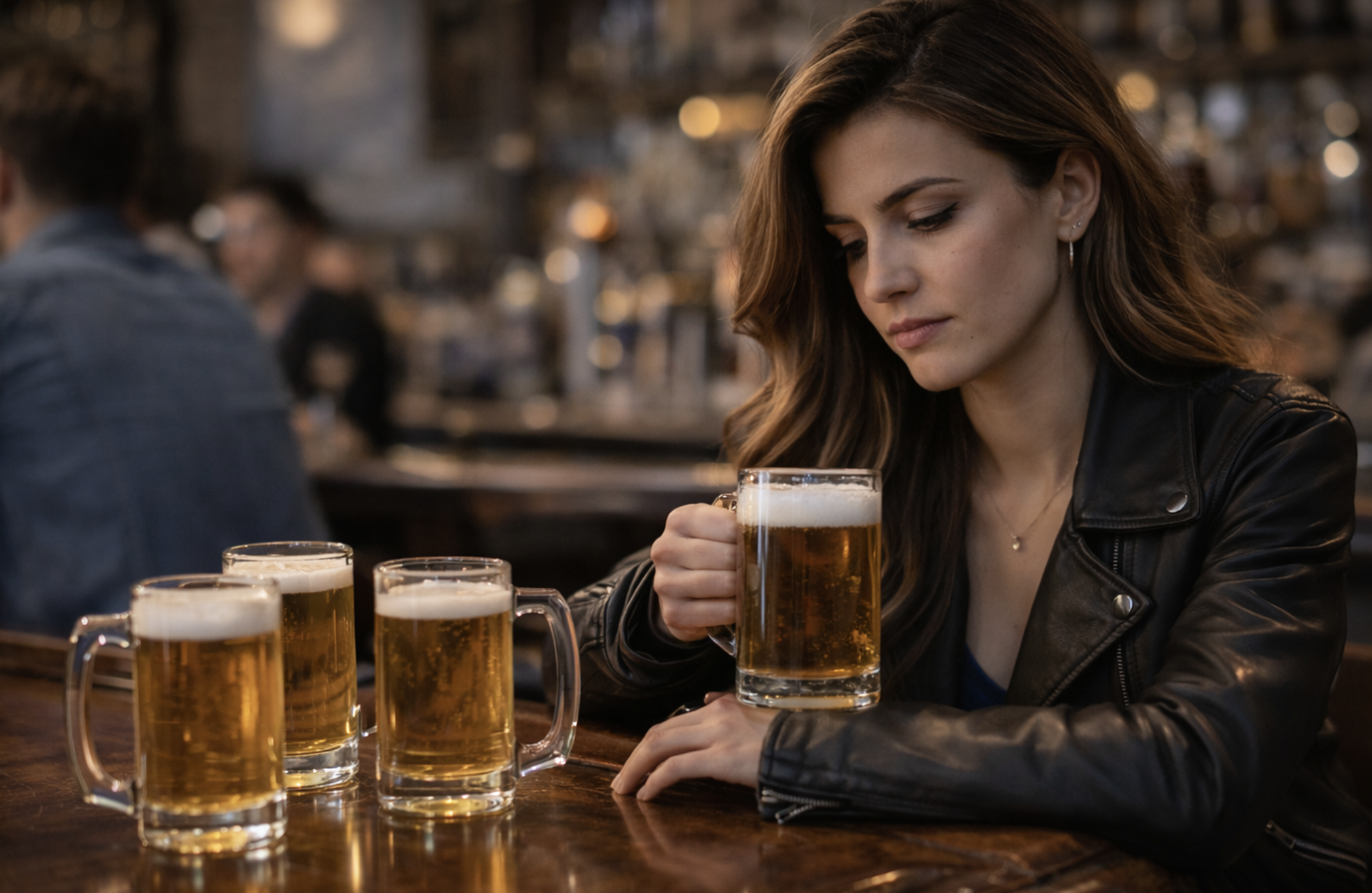
One of the most common coping mechanisms people turn to during burnout is alcohol. A drink after work may feel harmless at first, but when alcohol becomes the main way someone deals with stress, the line between casual drinking and dependency can become blurry.
What Burnout Actually Looks Like
Burnout is more than being tired after a long week. It is ongoing physical, emotional, and mental exhaustion caused by chronic stress. People experiencing burnout may feel detached from work, lose motivation, become irritable, or struggle to enjoy activities they once liked.
Burnout can affect professionals, students, parents, healthcare workers, and anyone dealing with constant pressure. Many people ignore the warning signs because they think they just need to work harder or push through.
Why Alcohol Feels Like an Easy Solution
Alcohol often becomes appealing because it temporarily slows things down. After a stressful day, drinking may create a short-lived feeling of relaxation. Someone dealing with burnout may begin using alcohol to:
- Unwind after work
- Fall asleep faster
- Escape anxiety or racing thoughts
- Feel more social or less stressed
- Create a mental break from responsibilities
The problem is that alcohol only masks the symptoms. The stress remains there the next day, often worse than before.
The Cycle of Burnout and Drinking
Burnout and alcohol dependency can create a dangerous cycle.
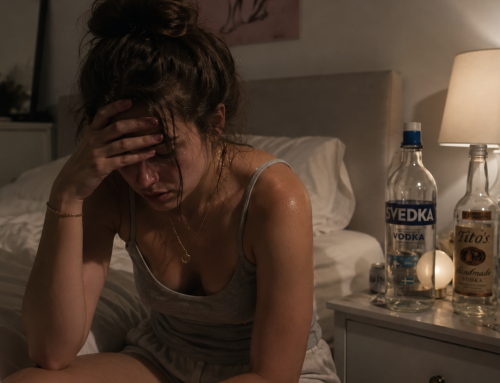
A person feels overwhelmed, so they drink to relax. Drinking affects sleep quality, energy levels, and motivation. Poor sleep and lower productivity create more stress, which leads to more drinking.
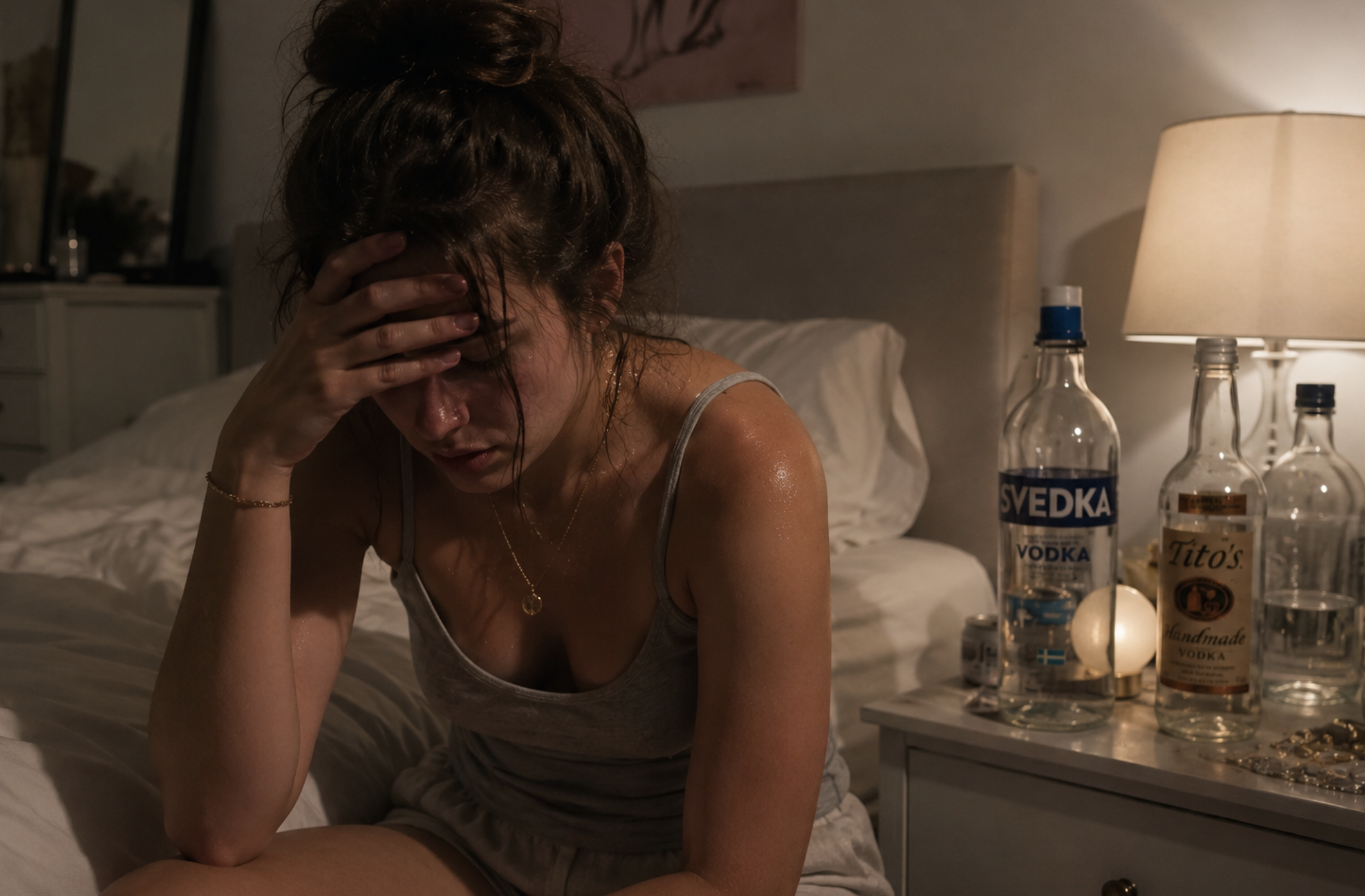
Over time, alcohol can stop feeling like a choice and start feeling necessary.
People may notice they need more drinks to relax, become irritable without alcohol, or start organizing their routines around when they can drink next.
Physical and Mental Health Effects
Burnout already affects the body through increased stress hormones, poor sleep, and fatigue. Adding regular alcohol use can make these problems stronger.
People may experience:
- Worse anxiety and depression
- Increased irritability
- Difficulty concentrating
- Poor sleep despite feeling exhausted
- Weight changes
- Relationship problems
- Lower performance at work or school
Many people believe alcohol helps with stress, but heavy or consistent drinking often increases stress over time.
Healthier Ways to Break the Pattern
Recovering from burnout does not mean simply taking one day off. It usually requires changing routines and finding healthier ways to manage pressure.
This might include therapy, setting boundaries, improving sleep habits, exercising, taking breaks from work, or talking honestly with trusted people about stress levels.
Burnout is common, but relying on alcohol to survive it can create bigger problems. Recognizing the pattern early gives people the chance to make changes before stress turns into dependency.
FAQ
Can burnout alone cause alcohol addiction?
Burnout itself does not automatically cause addiction, but chronic stress and emotional exhaustion can increase the risk of unhealthy alcohol use.
Why does alcohol make burnout worse?
Alcohol can interfere with sleep, increase anxiety, reduce motivation, and make it harder for the body to recover from chronic stress.
What are early signs someone is using alcohol to cope?
Common signs include drinking more often, feeling like alcohol is needed to relax, hiding drinking habits, or becoming frustrated when unable to drink.
Can burnout improve without quitting work?
Sometimes. Burnout recovery often involves boundaries, support systems, and lifestyle changes rather than completely leaving a job.
Call us at 844-658-0927 or contact us today to speak with a member of our admissions team.