Drug and Alcohol Detox Center
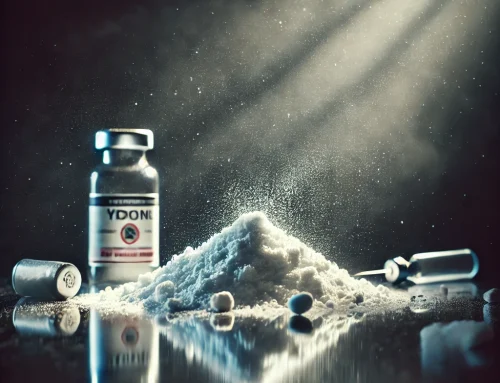
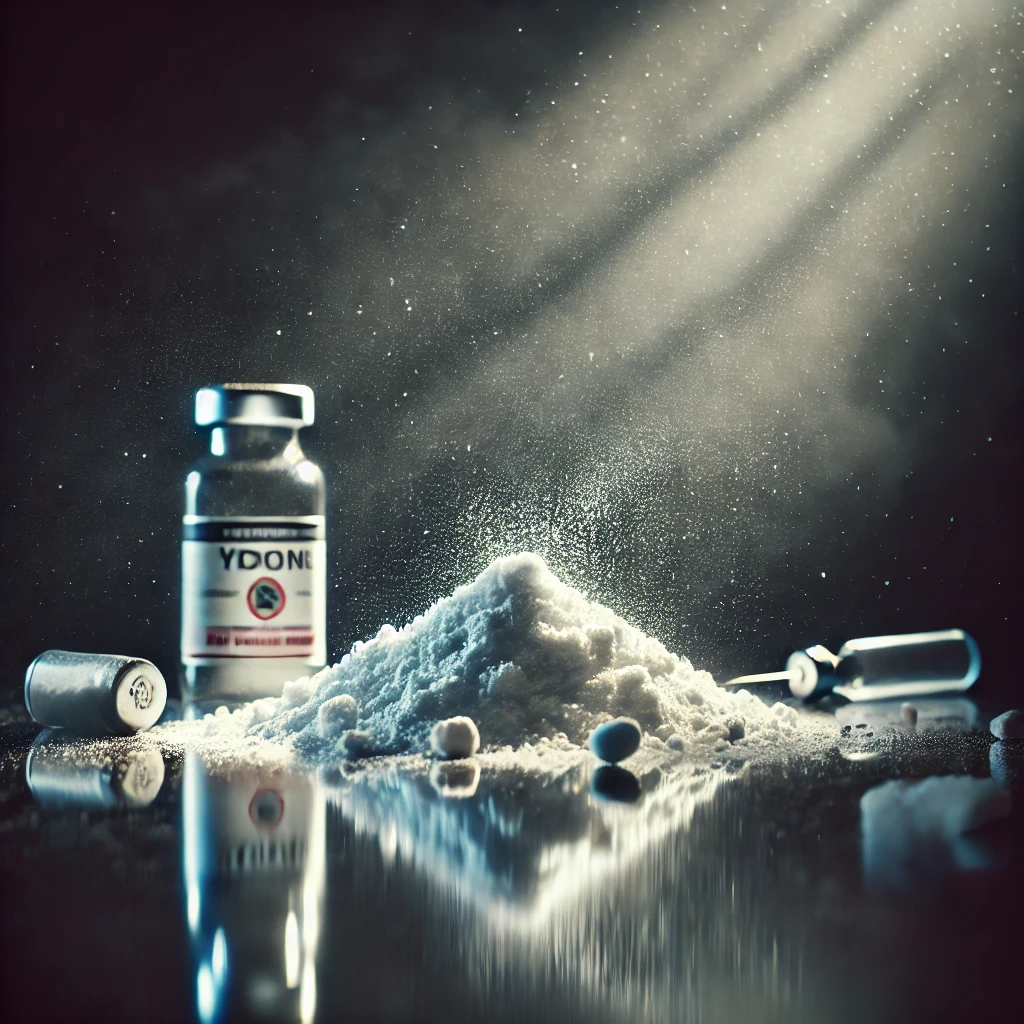
Cocaine is a common stimulant often considered a party drug. Derived from the leaves of the South American cocoa plant, cocaine gives users feelings of intense happiness. Commonly found in a white powder, cocaine is smoked, snorted, or injected. Some people may use cocaine infrequently in social situations. Because of its euphoric effects, the drug is highly addictive. Atlanta Detox Center is taking an in-depth look at the dangers of the drug and the signs that you are addicted to cocaine.
3 Symptoms You’re Addicted to Cocaine
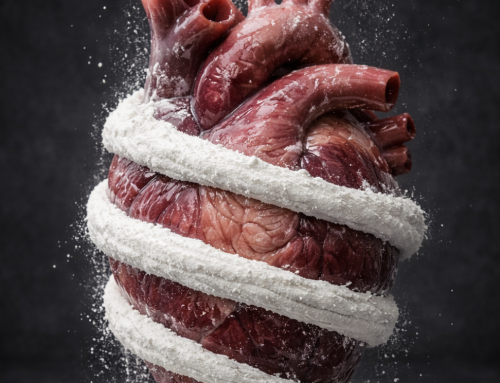
Cocaine dependence can appear in physical and mental forms, frequently resulting in harmful health outcomes. Early detection is key in preventing lasting harm and obtaining necessary assistance for rehabilitation. Although addiction symptoms can differ from individual to individual, these three signs are considered strong indications of cocaine dependency. If you or a family member are showing any of these symptoms, it is essential to seek expert assistance to restore your health and wellness.
1. Feeling Like You Can’t Live Without Cocaine
When someone gets hooked on cocaine or other substances, their brain goes through big changes, rewiring to rely on the substance for regular operation. This can lead to a powerful psychological craving, making it seem as though survival is unattainable without cocaine. The brain sends a message to the body for increased drug intake, resulting in strong desires, uncontrollable drug-seeking actions, and, in extreme situations, thoughts of suicide or self-injury. This feeling of hopelessness can be very frightening, as the person feels stuck in a pattern where cocaine appears to be the only way to deal with life. If you are in this predicament, it indicates addiction, and enrolling in a cocaine addiction treatment program is essential for recovery.
2. Depression and Anxiety
Cocaine usage causes a surge of dopamine in the brain, the neurotransmitter that is in charge of pleasure and reward. As time passes, the brain’s production of dopamine and serotonin decreases without the drug, resulting in a crash when the cocaine’s effects diminish. This can lead to feelings of depression, anxiety, fatigue, and lethargy as the brain works to restore equilibrium. Individuals who are reliant on cocaine frequently struggle to experience happiness or drive without the substance, which can perpetuate their addiction. During this phase, the mental impact of addiction is just as harmful as the physical, highlighting the importance of enrolling in a cocaine addiction therapy program for the brain and body to start recovering.
3. Flu-Like Symptoms
Withdrawal symptoms are the number one sign of cocaine addiction. Withdrawal from cocaine occurs when the body adapts to functioning without the substance, which can be risky and unpleasant without professional assistance. It’s marked by various uncomfortable physical symptoms similar to the flu, such as fever, body aches, chills, and excessive sweating. These effects are the result of the body’s response to the abrupt lack of cocaine.
Along with these flu-like symptoms, individuals may also experience:
- Headaches
- Nausea
- Restlessness
- Fatigue
- Muscle aches
- Chills
While cocaine withdrawal symptoms are temporary, they can be intense enough to drive a person back to using the drug just to feel relief. Professional treatment during withdrawal can provide the medical and emotional support needed to get through this challenging phase.
Why Do People Get Addicted to Cocaine?
Cocaine is highly addictive. Like many addictive stimulants, cocaine alters a user’s brain chemistry. It speeds up messages from the brain to the body and floods the body with dopamine. Dopamine is a naturally made chemical that provides us with feelings of happiness, euphoria, joy, and motivation. The hyper-alert state cocaine causes can be highly addictive. When on cocaine, someone may feel aroused, happy, and disconnected from reality. Because cocaine is a stimulant, they may also be more talkative and confident. While some people may use cocaine infrequently, many become addicted right away.
Cocaine Withdrawal Symptoms
When the body and brain become dependent on cocaine, withdrawal symptoms occur when it leaves the bloodstream. When a person uses cocaine, the brain becomes dependent on the artificial rush of dopamine. Like other drugs, this dependence may cause the brain to stop producing natural chemicals. The longer someone uses cocaine, the more severe the change will be. Similarly, the more often a person uses cocaine, the stronger withdrawal symptoms will be.
Treating Cocaine Addiction
Some people may try to stop using cocaine at home, but doing so is often unsuccessful and dangerous. Like other drugs, cocaine withdrawal can be hard to endure alone. An addiction treatment center can help users safely detox and regain control of their lives. Treatment programs often include:
- Medically assisted detox to ease withdrawal symptoms
- 24/7 health monitoring
- After-care, alumni programs, and post-rehab plans
A reputable detox center monitors a person’s health during detox and ensures they receive the nutrition their body needs while recovering. Most clinics pair various types of therapy with medical detox for holistic healing. Therapy can help residents gain perspective and identify their addiction triggers.
Begin Recovery for Cocaine Addiction at Our Atlanta Drug Detox
If you or someone you love is addicted to cocaine, you are not alone. Call the staff at Georgia Detox Center today to begin recovery. Our cocaine detox in Atlanta helps residents through every stage of withdrawal. We also offer specialized detox services for veterans, ensuring that those who have served our country receive the compassionate care they deserve.