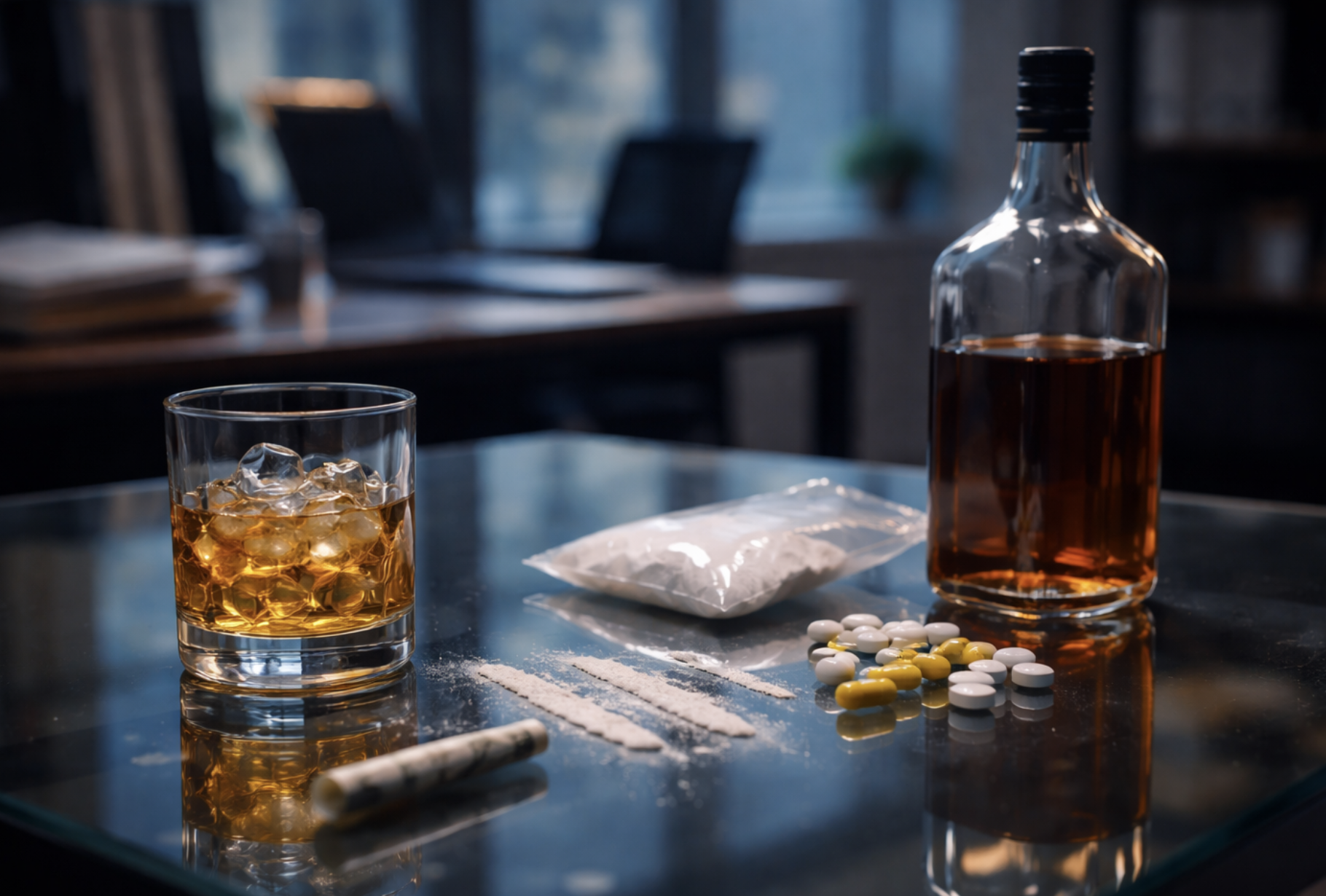
Drug and Alcohol Detox Center
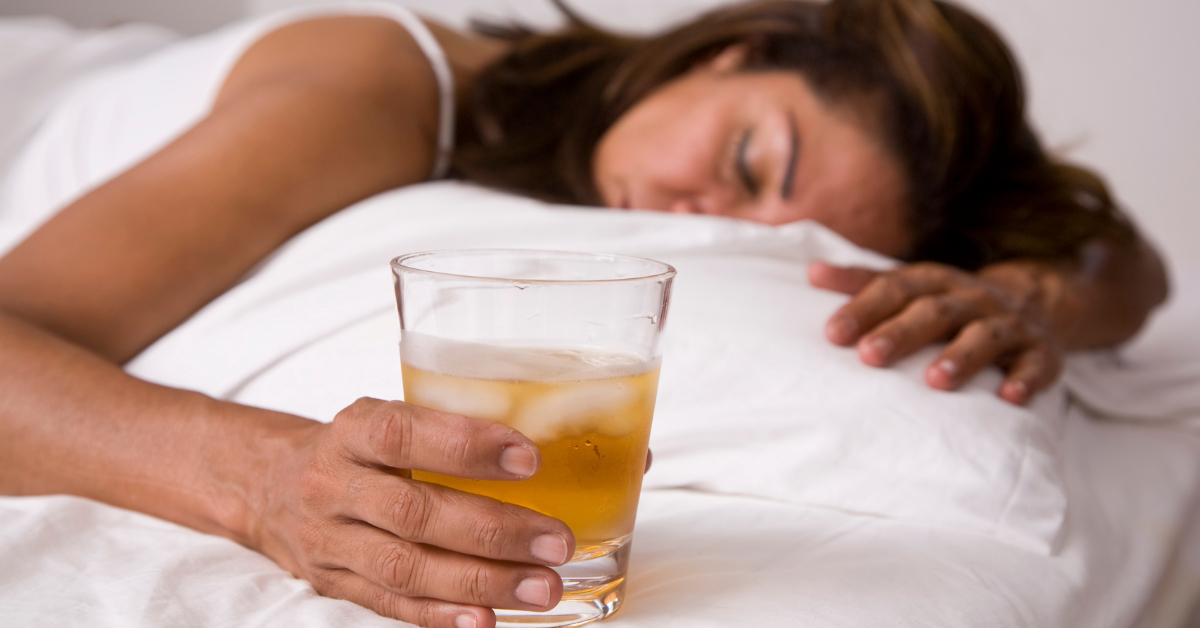
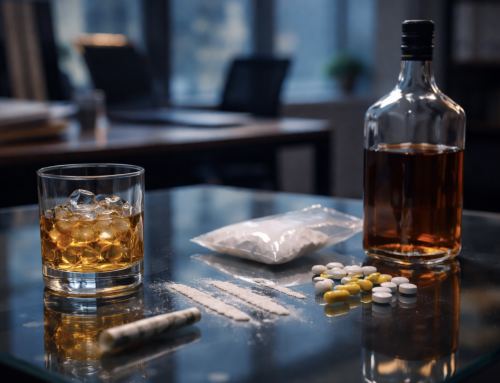
Except for a brief period during prohibition, alcohol has always been freely and legally available in the United States. Throughout history, some have wondered why alcohol enjoys this special status, raising an important question: is alcohol a drug? While the process of making alcohol may start with non-intoxicating substances such as grains, fruits, and vegetables, alcohol is most definitely considered a drug and may require a treatment program. It’s what happens when yeast begins to ferment sugars in those foods, eventually becoming beer, wine, cider, or liquor. Alcohol, of course, is not unregulated. But given that it’s freely sold in thousands of stores, it can become the source of a significant substance abuse problem. If you are struggling with alcohol use, contact Atlanta Detox Center for help.
How Does Alcohol Affect the Brain
Because alcohol acts on your brain, causing the proverbial “buzz” and other behavioral changes, it is a drug. The government considers it a “sedative-hypnotic.” If you’ve ever been drunk, you know that’s as accurate a description as any.
Alcohol has a variety of effects on the brain, but its main effects are on communication channels and structural and functional changes in the brain. Alcohol consumption may alter neurotransmitter levels, which slows down neuronal communication. A shorter attention span, memory lapses, and a diminished capacity for making decisions are impaired cognitive skills that may result from this disruption in brain connection.
These symptoms manifest as slurred speech, clumsy motions, and delayed reflexes in the short term. On the other hand, prolonged alcohol use can have more detrimental effects, such as long-term cognitive loss and a higher chance of neurodegenerative illnesses like dementia.
Prolonged alcohol abuse can structurally damage and shrink specific brain regions, including the hippocampus and prefrontal cortex, which are involved in higher-order operations. Reduced efficacy of the prefrontal cortex, which controls executive processes like impulse control and planning, results in a tendency to take more risks and have trouble controlling one’s emotions. Damage to the hippocampus, which is crucial for creating new memories, can lead to problems with long-term memory and make it harder to learn new information.
Alcohol can also hurt the brain’s reward system, which can result in addiction. Alcohol repeatedly stimulates this reward system, which leads to a cycle of dependence that makes it difficult for users to stop drinking and worsens the condition of their brains.
The fermentation of sugars into alcohol is not an American invention. It’s a practice that dates back centuries to ancient China, Egypt, Mesopotamia, and other countries at the start of civilization. Some of the earliest uses involved alcohol as a medicine. Eventually, it began to spread across the world as a recreational drug.
Even though alcohol is legal despite being a drug, that doesn’t mean it’s safe in all its uses. The government has recognized this and is regulating alcohol in a variety of ways, including how it’s made, where it’s sold, and who can drink it legally. If you are struggling with alcohol use, seek an alcohol detox center.
When Drinking Becomes a Problem
Alcoholism, also known as alcohol use disorder, is the disease that results when you drink too much, too often. Your body comes to depend on alcohol like any other form of nutrition, and your health starts to break down.
Unfortunately, there’s no real objective standard for “too much.” Every individual is a little different in their use and tolerance of alcohol. Alcohol-use disorder, then, is more of a function of the changes alcohol brings into your life.
When you suffer ongoing problems at work, with your family, or at school, but you persist in drinking, you may have an alcohol use disorder. Some of the other signs include:
- Pledging to stop drinking but failing
- Craving alcohol regularly
- Scheduling life’s activities around alcohol
- Hiding your drinking
- Increased tolerance or it takes more to produce the same effect
The question of “Is alcohol a drug” may be an important one but is not the most important in determining if it’s time to seek assistance from our drug and alcohol detox center.
How Can You Help Someone With a Drinking Problem?
Understanding and empathy are the first steps towards helping someone who has a drinking problem. It is imperative to have a nonjudgmental and supportive approach towards the individual. Calmly voice your concerns, concentrating on particular actions and their impact on the person in question as well as others around them. Refrain from using accusatory words, as this may make people defensive. Instead, express your thoughts and observations with “I” statements. For instance, “I’ve noticed you’ve been drinking more lately, and I’m really worried about your health.”
Trust and openness can be fostered by lending a sympathetic ear and encouraging them to share their experiences without worrying about being judged.
Practical measures can be implemented in addition to emotional support to help someone with a drinking problem. Urge them to get professional help by referring them to a therapist or doctor or joining a support organization like Alcoholics Anonymous. Offer to assist them in researching therapy choices and, if they are willing, accompany them to appointments or meetings.
It can also be helpful to remove alcohol from the home and steer clear of social situations where drinking is involved. It is critical to establish boundaries to safeguard your well-being, as assisting someone with a drinking problem can be difficult. Remember to constantly support them and praise their accomplishments, no matter how tiny, to reinforce positive changes.
Treatment for Alcoholism
The idea of going into rehab may seem a little scary. Just know that millions of people have benefitted from addiction treatment therapies and restored themselves on a path to sobriety. Everyone’s journey is a little different, of course, but treatment has several distinct stages, including:
- Intake: Thorough medical and psychological workup
- Detox: To flush alcohol from your system
- Counseling: To identify the drivers of your drinking
- Aftercare: To limit the risk of relapse
Alcoholism is a disease like any other — one that can return if you’re not careful. If you’re asking the question, “Is alcohol a drug,” it might be worth a conversation with professionals at Atlanta Detox Center.
Finding Relief From Alcohol Abuse at Our Detox in Atlanta
Is alcohol a drug? Yes. It is a legal drug, but it can cause some of the same problems as heroin, cocaine, or other illegal or semi-illegal narcotics. When those problems become severe, don’t waste time. Our accredited clinical professionals will assess your situation and, if needed, build a thorough treatment plan that may include our alcohol detox center. We offer a range of other detox services, including a men’s detox center and a women’s detox center.