Drug and Alcohol Detox Center
Amid public health challenges posed by intravenous drug use, needle exchange programs (NEPs) emerged as a source of proactive intervention. These programs represent a strategic initiative aimed at combating the spread of blood-borne diseases among intravenous drug users (IDUs) and the wider community. By providing sterile needles and syringes in exchange for used ones, NEPs not only address immediate health concerns but also serve as gateways to vital healthcare services and resources for marginalized populations. Atlanta Detox Center delves into the facets of a needle exchange program, exploring their benefits, significance, and the pivotal role they play in safeguarding public health and promoting community well-being.
What Is a Needle Exchange Program?
A needle exchange program (NEP), sometimes called a needle syringe program (NSP) or a needle and syringe exchange program (NSEP), is a public health initiative that aims to reduce the spread of blood-borne diseases like HIV/AIDS and hepatitis C among intravenous drug users (IDUs) and the general public. In addition to providing health services and information, these programs trade old needles and syringes for sterile ones.
Benefits of needle exchange programs include:
- Disease Prevention: By providing sterile needles and syringes, NEPs significantly reduce the risk of transmitting blood-borne diseases among intravenous drug users, thus curbing the spread of infections such as HIV/AIDS and Hepatitis C.
- Public Health Improvement: NEPs contribute to overall public health by not only preventing the spread of diseases among drug users but also reducing the likelihood of transmission to the broader population through risky behaviors such as needle sharing.
- Cost-effectiveness: Needle exchange programs are highly cost-effective, saving significant healthcare costs associated with treating infectious diseases in the long term.
- Access to Healthcare Services: NEPs often serve as entry points to healthcare services for drug users, providing opportunities for screenings, vaccinations, and referrals to addiction treatment and rehabilitation programs.
- Community Engagement: These programs foster trust and engagement within the community by offering non-judgmental support and services to marginalized populations, thereby promoting social inclusion and reducing stigma associated with drug use.
Needle exchange programs play a crucial role in mitigating the public health risks associated with intravenous drug use. By providing sterile injection equipment, offering healthcare services, and promoting community engagement, these programs not only protect the health and well-being of drug users but also contribute to the broader goal of disease prevention and public health improvement.
Georgia’s Effort in the Fight Against the Opioid Epidemic
At least 320 needle exchange programs exist across the U.S. These programs are legal in 28 states and Washington, D.C., according to HIV and AIDS research organization AmfAR. Georgia added its name to the list when Governor Brian Kemp passed a bill legalizing a needle exchange program in Atlanta. Nonprofit advocacy group Georgia Harm Reduction Coalition operates the needle exchange at several locations in Atlanta.
GHRC is one of many harm reduction programs across the country. These groups aim to minimize drug-related harm for individuals engaged in high-risk activities, such as IV drug use. GHRC members hand out clean syringes and naloxone, the opioid overdose reversal drug, reducing the harm for people who use drugs. They also provide free HIV testing and assist clients in accessing treatment options for heroin addiction and other substance use disorders. Georgia has one of the highest rates of new HIV cases in the United States.
The Centers for Disease Control and Prevention (CDC) says the estimated lifetime cost of treating one HIV patient is more than $400,000. Preventing the spread of HIV through clean needle services is thought by many to be cost-effective for the individual and community. Controversial as they are, needle exchange programs extend the lives of IV drug users. This gives them a chance at recovery they might not have had otherwise. People who inject drugs are five times as likely to enter substance abuse treatment plans if they use a needle exchange.1 According to the Georgia Department of Public Health, hospitalizations for opioid- and heroin-involved overdoses decreased in recent years.
However, emergency room visits for opioid- and heroin-involved overdoses increased by 9.6 % and 33.2 %, respectively. In the same report, GDPH says that heroin-involved overdoses accounted for 980 ED visits, 322 hospitalizations, and 267 deaths. Fentanyl-involved overdoses accounted for 344 deaths.2
Our Heroin Detox Centers in Atlanta, GA
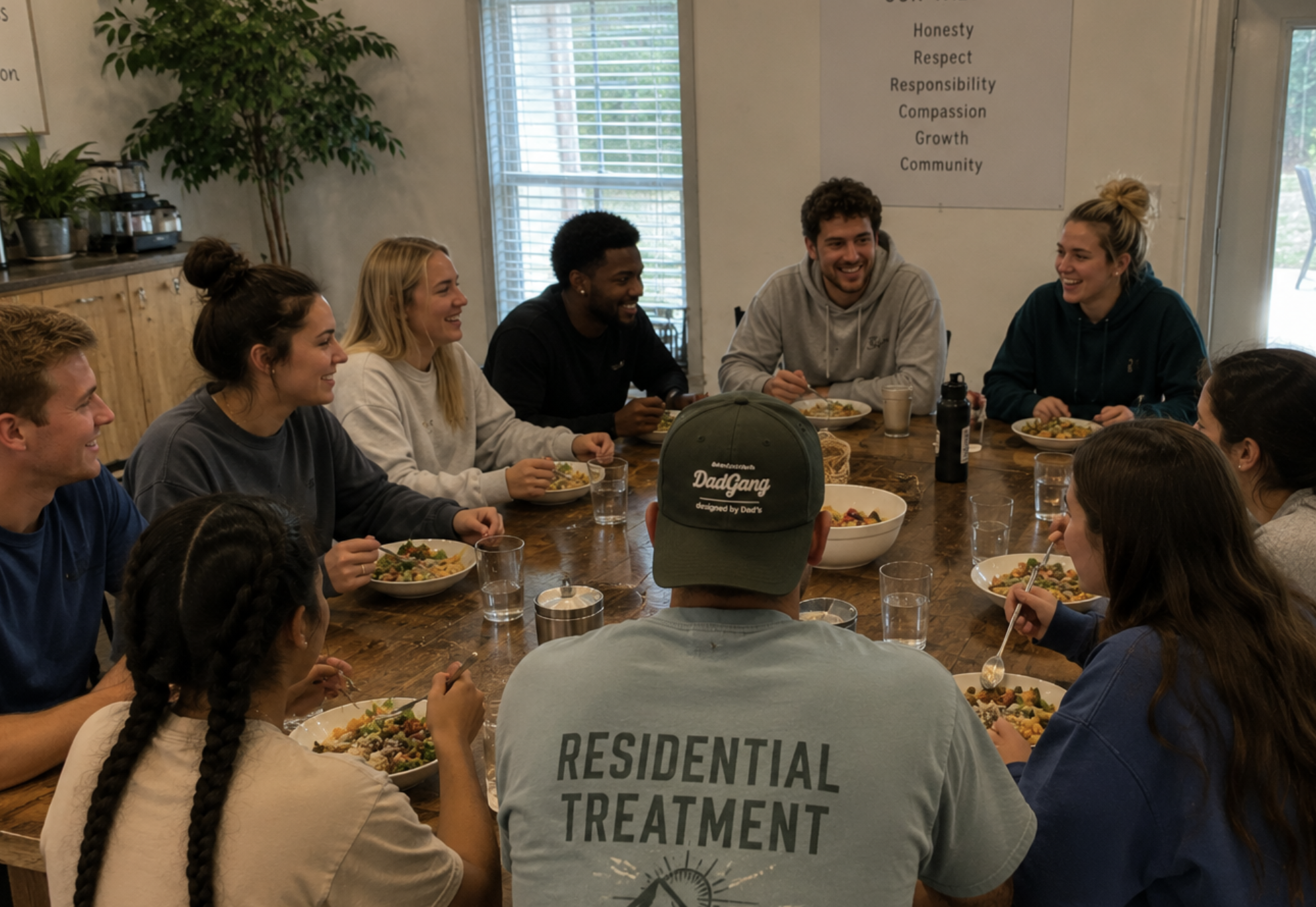
By starting a needle exchange, Atlanta has no doubt begun to save lives. Still, the most surefire way to avoid overdose and death is to stop drug or alcohol use altogether. Luckily, there are many treatments for heroin addiction near Atlanta. Our Georgia detox center offers residential treatment to manage heroin withdrawal symptoms during medically assisted detox.
Detox for alcohol, prescription drugs, opioids, and methamphetamine are also available. Each of these programs at our Atlanta drug detox is designed to offer physical and emotional relief from the often debilitating side effects of withdrawal.
To learn more about our programs and the admissions process at our facility, call us at 844-658-0927 today.
Sources: