Drug and Alcohol Detox Center
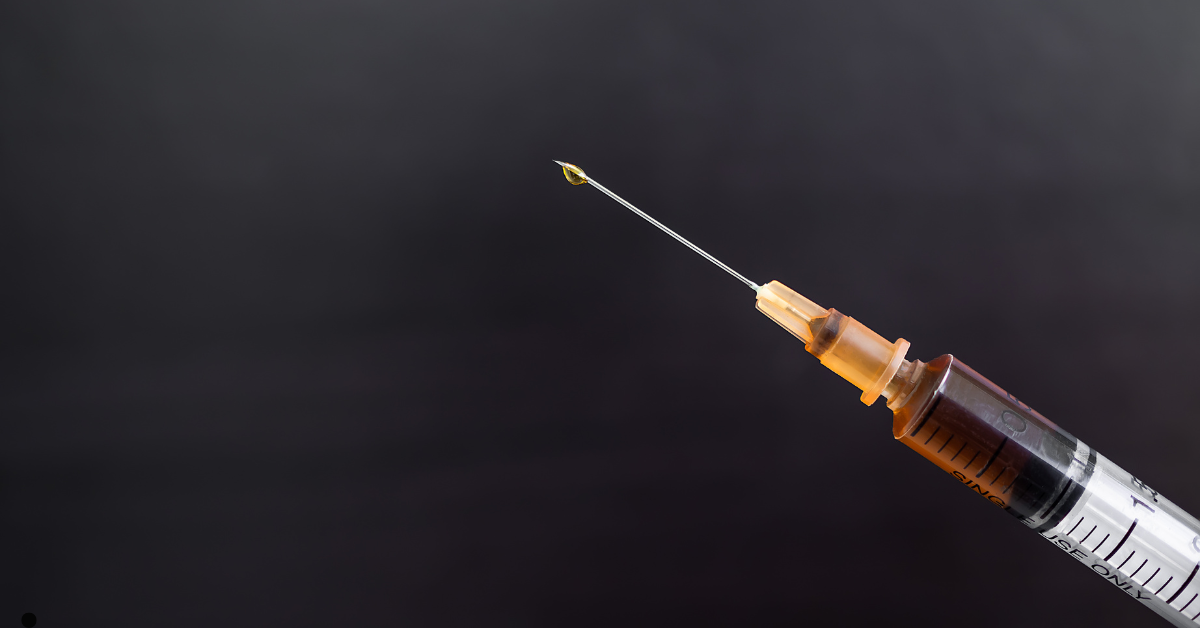
Heroin is a highly addictive and dangerous opioid that has devastating effects on individuals and communities. To fully grasp the risks associated with its use, it’s essential to answer, “What is heroin made from?” It’s equally important to learn how it is produced and the substances it is often cut with.
Originating from the opium poppy plant, heroin undergoes various harmful processes that not only increase its potency but also its unpredictability. As it travels from illicit production sites to the streets, it is frequently mixed with hazardous additives, making it even more perilous for users.
This overview from Atlanta Detox Center delves into the composition of heroin, the methods used in its production, and the dangerous additives that compound the risks, highlighting the urgent need for treatment options like those offered at Atlanta Detox Center.
What Is in Heroin?
Heroin is a potent opioid drug that is derived from morphine, a natural substance extracted from the seed pods of certain varieties of poppy plants. While heroin itself is a semi-synthetic opioid, the drug found on the streets can vary in appearance and composition. Pure heroin is a white powder with a bitter taste, but it is rarely encountered in this form outside of a laboratory setting. Instead, street heroin often appears in different colors and forms depending on the specific production methods and region of origin.
Factors of heroin production include:
- Chemical Composition: Heroin is chemically known as diacetylmorphine or diamorphine. It is synthesized from morphine through a process that introduces acetyl groups, enhancing its ability to cross the blood-brain barrier and increasing its potency.
- Physical Forms: Heroin can be found as a white powder, brown powder, or a black, sticky substance known as black tar heroin. The color and texture depend on the production process and region of origin.
- Variability: The appearance and composition of heroin can vary widely, making it unpredictable and dangerous for users.
Understanding what heroin is made from and how it varies is crucial for recognizing the risks associated with its use. The form of heroin found on the streets can significantly impact both its potency and the potential harm it can cause to the user.
How is Heroin Made?
The process of producing heroin starts with growing opium poppy plants, mainly in areas like Southeast Asia, Afghanistan, and Mexico. The procedure begins by harvesting poppy plants, scoring unripe seed pods to release opium sap. This sap is collected, dried, and processed to obtain morphine, the main ingredient for making heroin. The morphine undergoes a chemical process, usually with acetic anhydride, to be converted into heroin.
The process of producing heroin differs based on the region and the specific techniques employed. The medication is subjected to additional processing to make a cleaner substance in certain situations. At the same time, in alternate cases, it may remain in a rawer state, leading to the creation of black tar heroin. The techniques utilized during manufacturing can affect the end product’s effectiveness and standard, leading to variations in the dangers linked to its consumption.
What is Heroin Cut With?
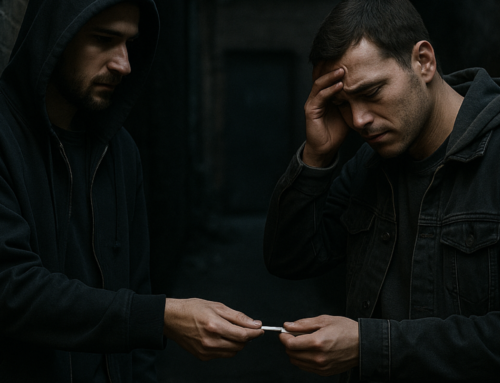
Heroin is seldom found in its unadulterated state when sold on the streets. Instead, it is frequently “diluted” or combined with other substances to boost its quantity, hence making it more lucrative for dealers. The cutting agents can differ significantly and are selected for their capacity to mix with heroin effectively without being readily identified. Regrettably, this habit dramatically heightens the risk linked to heroin consumption since the additives may be dangerous or fatal, and consumers have no means of determining the drug’s composition.
Common examples of heroin-cutting agents include:
- Sugar and Starch: Common household substances like sugar, starch, or powdered milk are often used to increase the volume of heroin. These substances are generally harmless but can cause complications when injected, such as blocked blood vessels or infections.
- Quinine: Originally used as a treatment for malaria, quinine is sometimes added to heroin to mimic the bitter taste of pure heroin. In high doses, it can cause serious health issues, including heart problems.
- Caffeine: Caffeine is used as a cutting agent to mimic the stimulant effects of more potent drugs. It can also make heroin easier to dissolve for injection but adds unnecessary strain on the body.
- Fentanyl: A powerful synthetic opioid, fentanyl is sometimes mixed with heroin to increase its potency. This combination is extremely dangerous and has been linked to a significant rise in overdose deaths because fentanyl is much more potent than heroin, making dosing unpredictable.
- Strychnine and Other Poisons: In some cases, heroin is cut with toxic substances like strychnine, which can lead to poisoning, seizures, or death. These substances are sometimes added deliberately to harm users or due to contamination during the cutting process.
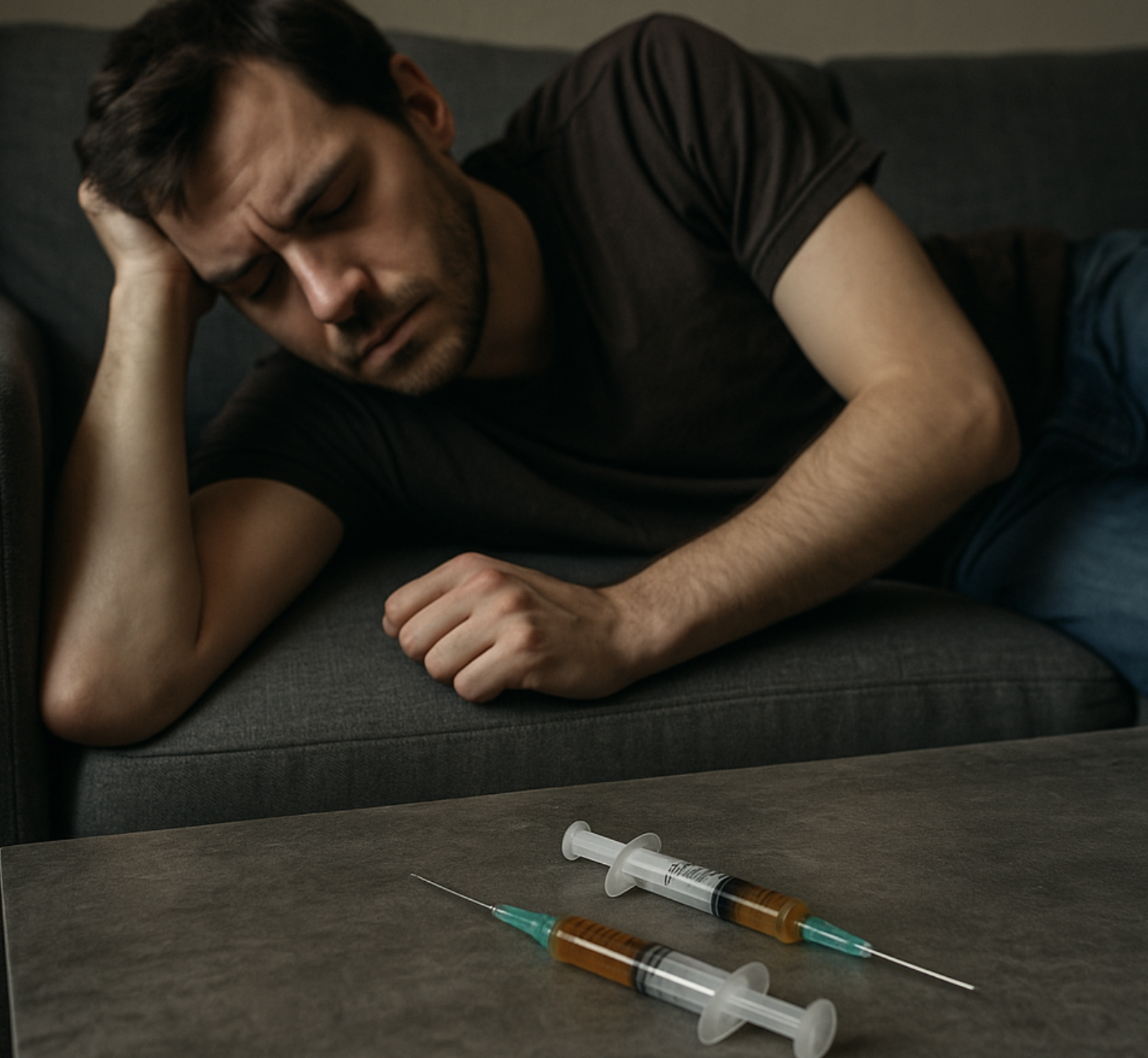
The practice of cutting heroin with various substances not only increases the risk of overdose but also introduces a range of other health hazards. Users are often unaware of what has been added to their heroin, making every dose a potentially life-threatening gamble. The unpredictable nature of street heroin underscores the dangers of its use and the urgent need for harm reduction strategies.
Let Our Atlanta Drug Detox Help You Heal
At our Georgia Detox Center, we understand the dangers of heroin addiction and the critical need for safe, effective detoxification. Our heroin detox program is designed to help individuals safely withdraw from heroin under medical supervision, minimizing the risks associated with withdrawal symptoms. Following detox, our comprehensive relapse prevention program provides the tools and support necessary to maintain long-term recovery. For more information and resources on heroin addiction and recovery, visit our blog, where we offer insights and guidance.