Drug and Alcohol Detox Center
Why Medical Supervision Is Critical in Heroin Detox
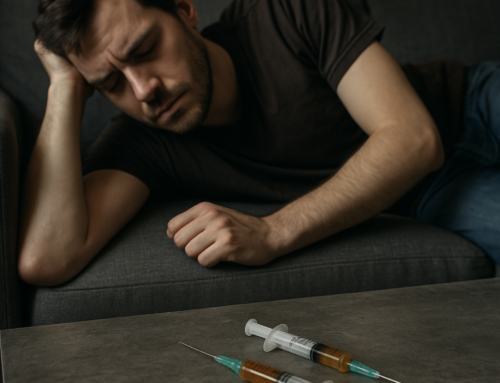
Recovering from heroin addiction is one of the hardest battles a person can face. The journey toward sobriety is not just about quitting the drug—it’s about healing the body, mind, and spirit from the inside out. Many people underestimate the dangers of heroin detox, thinking that willpower alone is enough. However, heroin withdrawal can be life-threatening without professional help. That’s why medical supervision during heroin detox is not just recommended—it’s critical.
When a person stops using heroin, the body reacts violently as it tries to adjust to life without the drug. Heroin changes how the brain’s reward and stress systems function. Over time, the brain becomes dependent on it to produce dopamine, the chemical responsible for feelings of pleasure and motivation. When heroin use stops, the brain struggles to rebalance itself. This chemical chaos can cause severe physical and psychological withdrawal symptoms such as nausea, vomiting, muscle pain, insomnia, anxiety, and even suicidal thoughts. Medical supervision provides the safety and structure needed to manage these intense symptoms while protecting both physical and mental health.
Without medical support, withdrawal can quickly spiral out of control. The most dangerous risk is dehydration and electrolyte imbalance from continuous vomiting and sweating. Additionally, intense cravings can drive people to relapse during detox, sometimes resulting in overdose due to reduced tolerance. In a medical detox center, healthcare professionals monitor vital signs, administer medications to reduce withdrawal symptoms, and ensure patients are hydrated and stable. The goal is to make detox as safe and comfortable as possible so the person can focus on healing, not just surviving.
Another critical aspect of medically supervised detox is the attention given to mental health. Addiction and mental health are deeply connected—many individuals who struggle with heroin use also experience depression, anxiety, PTSD, or other disorders. During detox, these mental health symptoms often intensify as the brain adjusts to functioning without heroin. A medical team trained in substance abuse and mental health can provide emotional support, therapy, and medication when necessary. This dual focus ensures that both the physical and psychological aspects of addiction are addressed together, which significantly improves long-term recovery outcomes.
One of the biggest advantages of medical supervision is the use of medication-assisted treatment (MAT). Medications like buprenorphine, methadone, and naltrexone can ease withdrawal symptoms and reduce cravings. These medications are carefully prescribed and monitored by doctors to help stabilize brain chemistry without creating a new addiction. In addition to medication, therapy sessions during detox can help patients understand the emotional roots of their addiction, teaching coping skills to handle stress and triggers. Detox isn’t just about cleansing the body—it’s about laying the foundation for a healthier mindset.
Many people attempt to detox at home because they feel embarrassed, afraid, or unaware of what professional detox actually offers. But the truth is, heroin detox is not something to go through alone. Medical detox provides structure, compassion, and accountability—three things that are nearly impossible to maintain in isolation. In a treatment environment, patients are surrounded by professionals who genuinely care about their progress. The emotional reassurance of knowing that someone is there, monitoring your well-being 24/7, can make the difference between relapse and recovery.
Medical detox also prepares individuals for the next step in recovery—rehab and therapy. Detox is only the first stage; it removes the drug from the body, but it doesn’t address the mental and emotional reasons behind addiction. With professional supervision, patients can transition seamlessly from detox into therapy, group counseling, and aftercare planning. This continuity of care helps strengthen recovery and reduces the chances of relapse.
Ultimately, heroin addiction recovery is not just about getting clean—it’s about rebuilding a life of stability and peace. Under medical supervision, patients are given a safe environment to begin this process. They receive compassionate care, professional monitoring, and emotional guidance to navigate one of the hardest stages of their recovery journey.
Choosing medical detox means choosing safety, support, and success. It’s an investment in both physical health and mental well-being. For anyone struggling with heroin addiction, seeking professional help is the most courageous and life-saving decision they can make. Sobriety isn’t easy, but with the right care, it’s absolutely possible.
Call us at 844-658-0927 or contact us today to speak with a member of our admissions team.