Drug and Alcohol Detox Center
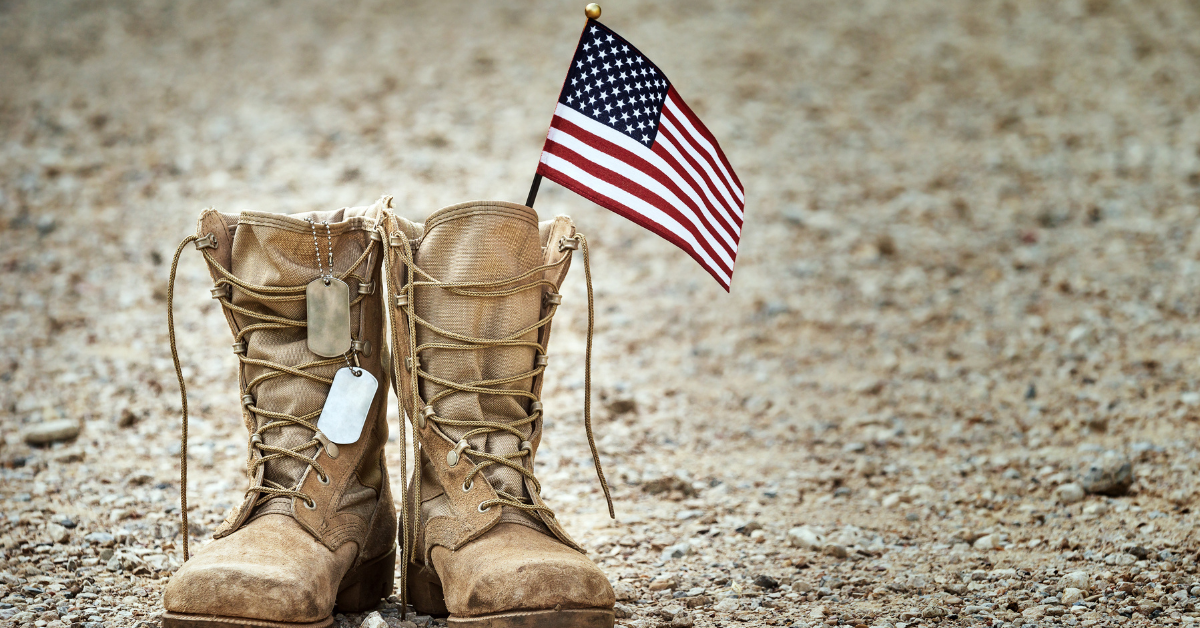
Veteran homelessness is a growing issue in the United States, with thousands of men and women who have served our country struggling to find stable housing. While many veterans return home and reintegrate into civilian life without incident, a significant number face severe challenges, including mental health issues, substance abuse, and economic hardship, which can lead to homelessness.
Atlanta Detox Center knows that understanding the scope of the problem and the causes behind it is crucial in addressing the needs of our veterans and providing them with the support and resources they deserve. Continue reading to learn more about this issue and what can be done.
When Did Veteran Homelessness Become an Issue?
Veteran homelessness has been an issue for decades, but it became particularly prominent during and after the Vietnam War. In the years following the war, many veterans struggled with reintegration, facing high rates of post-traumatic stress disorder (PTSD), substance abuse, and lack of employment opportunities. This created a perfect storm that led to a rise in homelessness among former service members.
The issue continued to grow in the 1980s and 1990s as the country experienced economic downturns and changes in social welfare programs. The lack of adequate mental health and addiction treatment services for veterans further exacerbated the problem. Although efforts to reduce veteran homelessness began in earnest during the early 2000s, the problem remains persistent, with many veterans still without stable housing today.
Homeless Veteran Statistics
Homeless veteran statistics paint a troubling picture of the scale of the issue. According to recent reports, veterans make up a disproportionate percentage of the homeless population in the United States. Although veterans account for about 7% of the total U.S. population, they represent roughly 11% of the homeless population.
From January 2023 to January 2024, the number of veterans experiencing homelessness decreased from 35,574 to 32,882, marking a 7.5% reduction compared to the previous year, an 11.7% decrease since 2020, and a 55.6% decline since 2010. The number of unsheltered veterans also fell by 10.7%, dropping from 15,507 in 2023 to 13,851 in 2024.1
The National Alliance to End Homelessness shared that on a single night in January 2023, a total of 35,574 veterans were experiencing homelessness. Of these, 20,076 were sheltered, while 15,507 were unsheltered. The majority of homeless veterans (98%) experience homelessness as individuals, with 30% of them facing chronic patterns of homelessness. In terms of gender, 87.8% (31,231 veterans) were men, and 11.2% (3,980 veterans) were women.2
These numbers fluctuate, but the reality is that thousands of veterans continue to face homelessness, struggling to access the resources and support they need to regain stability.
Common Causes of Veteran Homelessness
The causes of veteran homelessness are complex and multi-faceted, but several key factors contribute to the growing crisis. Among the most significant are mental health challenges, substance abuse, and a lack of affordable housing.
Mental Health Challenges
Many veterans struggle with mental health issues, such as PTSD, depression, and anxiety, due to the traumatic experiences they faced while serving. These mental health challenges can be debilitating and make it difficult for veterans to hold down a job or maintain healthy relationships, contributing to their homelessness.
Substance Abuse
One of the leading causes of veteran homelessness is substance abuse. Many veterans turn to drugs or alcohol to cope with the trauma of their military service, particularly those suffering from post-traumatic stress disorder (PTSD), anxiety, or depression. The use of alcohol and drugs can create a cycle of addiction, leading to job loss, strained relationships, and eventually homelessness.
The transition from military to civilian life can be jarring for many veterans. Without proper support systems in place, substance abuse can become a way to numb the emotional and physical pain they are experiencing. Unfortunately, addiction not only complicates their ability to maintain stable housing but also makes it harder to access resources that could help them overcome homelessness.
The hardworking and experienced specialists at our Georgia detox center understand how deeply substance abuse can affect veterans. We offer specialized detox programs designed to help individuals regain control of their lives. Our compassionate team provides evidence-based treatment to address addiction issues, helping veterans take the first step toward recovery and a better future.
Lack of Affordable Housing
The rising cost of living and a shortage of affordable housing also play a role in the homelessness crisis. While there are programs aimed at helping veterans find housing, the demand often exceeds supply, leaving many without stable living conditions.
Homeless Veteran Programs and Resources
Fortunately, there are numerous programs and resources available to help homeless veterans regain their footing and find stable housing. These include both government initiatives and nonprofit organizations that provide housing assistance, medical care, mental health services, and substance abuse treatment.
Some of the most well-known resources include:
- The U.S. Department of Veterans Affairs (VA): The VA offers a variety of services for homeless veterans, including the VA Homeless Providers Grant and Per Diem Program, which provides funding for community-based programs that help veterans find and maintain housing.
- The Homeless Veterans Reintegration Program (HVRP): This federal program helps homeless veterans find employment and reintegrate into society through job training and placement services.
- Nonprofit Organizations: Several nonprofit organizations, such as the National Coalition for Homeless Veterans (NCHV), provide essential services and support to homeless veterans. These organizations offer housing assistance, job training, and counseling services tailored to veterans.
How Atlanta Detox Center Can Help
At Atlanta Detox Center, we are committed to helping veterans struggling with substance abuse and homelessness. Our drug and alcohol detox in Atlanta is specifically designed to assist veterans in overcoming addiction, a significant contributor to veteran homelessness. With compassionate care and evidence-based treatment, we help individuals regain control over their lives and take the first steps toward a brighter, more stable future.
If you or a loved one is a homeless veteran battling substance abuse, our detox center can provide the support you need to begin the recovery journey. Our team understands the unique challenges that veterans face, and we are here to offer guidance, care, and resources for lasting change.
Take the First Step Toward a Better Future
If you or someone you know is a homeless veteran struggling with substance abuse, reach out to Atlanta Detox Center today. Our dedicated team is here to support you on your recovery journey.
Call us at 844-658-0927 or contact us online to learn more about our detox center in Atlanta and how we can help you build a healthier, more stable life.
Sources:
- U.S. Department of Veterans Affairs – VA Homeless Programs
- National Alliance to End Homelessness – Veterans – National Alliance to End Homelessness