Drug and Alcohol Detox Center
Understanding the Struggle and Finding Support
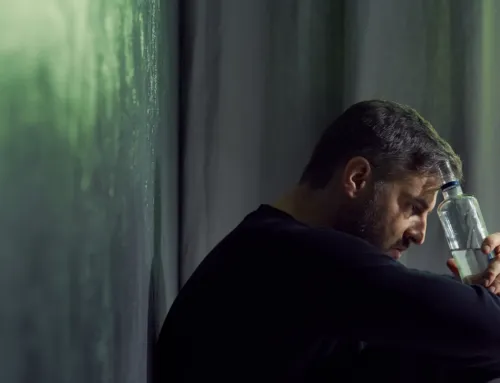
The reality of alcoholism in veterans is that, for many, returning to civilian life comes with significant challenges. Atlanta Detox Center provides specialized care to support veterans struggling with addiction, ensuring they receive the comprehensive treatment they deserve.
The transition from military service to everyday life can be difficult, with factors such as post-traumatic stress disorder (PTSD), depression, anxiety, and chronic pain often playing a role in their overall well-being. Unfortunately, alcohol becomes a coping mechanism for many veterans struggling with these issues. Studies show that veterans are more likely to develop alcohol use disorder (AUD) than the general population, making it a critical concern that needs to be addressed with specialized care and support.1
Why Is Alcoholism in Veterans So Common?
One of the biggest risks for alcoholism in veterans is post-traumatic stress disorder (PTSD). Many who have served experience traumatic events that can leave lasting emotional and psychological scars. To cope, some turn to alcohol as a way to numb intrusive thoughts, flashbacks, and anxiety.2
Chronic pain is another factor, as many veterans suffer from injuries sustained during service. When prescription pain medications are unavailable or ineffective, alcohol can become a substitute for relief. Mental health struggles, including depression and anxiety, can also lead to excessive drinking, especially when professional treatment is not readily accessible.
Beyond these challenges, reintegration into civilian life can be isolating. After leaving military service, many veterans struggle to connect with friends, family, and the broader community. Feelings of disconnection and difficulty adjusting can lead to increased alcohol consumption. Additionally, military culture itself often normalizes drinking, making it harder for some to recognize when alcohol use has become problematic.
The Connection Between Alcohol Use Disorder and Sleep Apnea in Veterans
Another major concern for veterans struggling with alcoholism is sleep apnea. Studies have shown a significant link between alcohol use disorder and sleep apnea in veterans, as excessive alcohol consumption can disrupt sleep patterns and exacerbate existing sleep-related breathing disorders. Alcohol relaxes the muscles in the throat, increasing the likelihood of airway obstruction and worsening sleep apnea symptoms. Sleep apnea, if left untreated, can contribute to heart disease, high blood pressure, and an overall decline in physical health.
Many veterans already suffer from sleep disturbances due to PTSD, chronic pain, and anxiety, and adding alcohol into the equation only makes it more difficult to get restful sleep. Poor sleep quality can lead to increased fatigue, mood instability, cognitive impairment, and a higher risk of developing other chronic conditions.
Addressing both alcohol use disorder and sleep apnea in veterans is essential for improving overall well-being. Seeking alcoholism treatment can help regulate sleep patterns, reduce apnea symptoms, and improve long-term health outcomes. If you or someone you love is facing these challenges, explore our veteran’s detox program to take the first step toward recovery.
The Devastating Impact of Alcoholism on Veterans
Alcoholism doesn’t just affect a veteran’s mental and physical health. It disrupts nearly every aspect of their life. Excessive drinking can interfere with their ability to maintain stable employment, leading to financial hardship. Many veterans who struggle with alcoholism find it difficult to keep jobs or perform at their full potential, often due to absenteeism, decreased productivity, or workplace conflicts. Unemployment can create a cycle of instability that makes it even harder to seek help.
Socially, alcoholism isolates veterans from their loved ones. Family relationships suffer as addiction takes precedence over meaningful connections. Friends may distance themselves, and veterans may experience deep loneliness as a result. The longer alcoholism persists, the harder it becomes to rebuild trust and restore relationships. For many veterans, shame and guilt further drive them to continue drinking, making it even more difficult to reach out for support.
Long-Term Health Risks of Alcoholism in Veterans
The physical consequences of alcohol addiction are severe and often life-threatening. Chronic alcohol abuse can lead to liver disease, high blood pressure, weakened immune function, and neurological damage. Veterans who drink excessively are at a higher risk of developing heart disease and gastrointestinal issues, conditions that can shorten their lifespan and decrease their quality of life.
Mentally, alcoholism can worsen PTSD, depression, and anxiety. Many veterans already experience suicidal thoughts due to past trauma, and excessive alcohol consumption only amplifies those risks. Studies have shown that veterans struggling with alcohol addiction are at a significantly higher risk of suicide compared to their peers.1 Without intervention, the combination of substance use and declining mental health can be devastating.
Barriers Veterans Face in Seeking Help
Even when veterans recognize that they need help, several barriers may prevent them from seeking treatment. One of the most significant obstacles is stigma. Many veterans fear being judged for their addiction or believe that admitting to a problem is a sign of weakness. In military culture, there is often a strong emphasis on self-reliance, which can make it harder for veterans to reach out for support.
Another major barrier is accessibility. While organizations like Atlanta Detox Center provide specialized addiction treatment for veterans, many struggle to navigate the healthcare system and may not know where to start. Some may also worry about the cost of treatment or have concerns about losing their VA benefits if they seek help. Understanding available resources and knowing that treatment is confidential and supportive can help break down these barriers.
How Atlanta Detox Center Supports Veterans with Alcoholism
For those seeking help, professional treatment can make all the difference. At Atlanta Detox Center, we understand the unique challenges that veterans face when battling alcohol addiction. That’s why we offer specialized treatment programs designed to support their specific needs.
The first step in recovery is a safe and medically supervised detox. Alcohol withdrawal can be dangerous, and our team provides round-the-clock care to ensure that veterans can detox as comfortably as possible. From there, dual-diagnosis treatment helps address both addiction and underlying mental health conditions, such as PTSD and depression. Without treating both, long-term recovery can be difficult. Our trauma-informed care approach ensures that past experiences are acknowledged and addressed rather than ignored.
Recovery is not just about removing alcohol from the system. Veterans benefit from therapeutic support, including individual therapy, group counseling, and holistic treatments. Learning new, healthier coping mechanisms is key to long-term success. After detox, our team helps veterans transition into ongoing care, whether that means outpatient treatment, sober living, or connecting them with veteran-specific recovery programs.
Additionally, we provide specialized veteran detox services that focus on the unique struggles faced by those who have served. Our veteran-focused care ensures that treatment is personalized, compassionate, and effective.
Choosing Recovery: A New Path for Veterans
Veterans have already faced and overcome tremendous challenges, and battling alcoholism is no different. Seeking help is not a sign of weakness. It is a decision to take control and reclaim one’s life.
Rehabilitation is a journey, but it doesn’t have to be taken alone. Atlanta Detox Center provides a supportive environment where veterans can begin healing, regain their sense of purpose, and work toward a future free from alcohol addiction.
Get the Help You Deserve
If you or a loved one is struggling with alcoholism, don’t wait. Early intervention is critical in preventing long-term health issues and restoring stability. Atlanta Detox Center specializes in helping veterans break free from addiction through personalized treatment plans and compassionate care.
For those experiencing alcohol withdrawal symptoms, it’s essential to seek medical support immediately. Our alcohol detox center is designed to provide a safe and structured environment for those beginning their recovery journey. We also offer a variety of addiction treatment therapies to ensure long-term success.
Take the first step today. Contact us at 844-658-0927 to learn more about our veteran-focused detox and addiction treatment programs.
Sources
- National Institute on Drug Abuse. Substance Use and Military Life Drug Facts. National Institute on Drug Abuse. Published October 23, 2019. https://nida.nih.gov/publications/drugfacts/substance-use-military-life
- Cleveland Clinic. Alcoholism (Alcohol Abuse). Cleveland Clinic. Published June 2, 2021. https://my.clevelandclinic.org/health/diseases/3909-alcoholism