Drug and Alcohol Detox Center
Common Withdrawal Symptoms of Cocaine and How to Handle Them
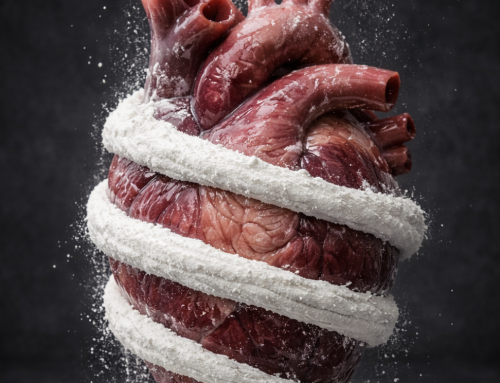
Cocaine withdrawal is one of the toughest challenges a person can face when deciding to quit using. This powerful stimulant changes the way your brain functions, flooding it with dopamine and giving a short-lived rush of euphoria and energy. Over time, the brain adjusts to these artificial highs, meaning that when cocaine use stops, the body and mind must relearn how to function without it. This process can trigger a range of withdrawal symptoms that affect both mental and physical health. Understanding what to expect—and how to handle it—can make the recovery journey more manageable.
When cocaine use ends, the brain’s dopamine levels drop dramatically. This creates an emotional crash that can last for days or even weeks. The early phase of withdrawal is often marked by fatigue, depression, anxiety, and intense cravings. These symptoms are not signs of weakness—they’re the body’s natural response to healing after extended drug use.
Fatigue and Low Energy
After quitting cocaine, many people feel completely drained. This exhaustion comes from both physical and emotional depletion. Cocaine keeps the body on high alert, so once it’s gone, the body swings in the opposite direction. The best way to handle fatigue is through rest, proper nutrition, and hydration. Sleep is one of the most powerful tools for recovery—your brain uses that time to rebuild chemical balance. Creating a consistent bedtime routine and avoiding screens before bed can also help improve rest quality.
Depression and Mood Changes
One of the hardest withdrawal symptoms is depression. Cocaine artificially boosts dopamine levels, and once use stops, the brain struggles to produce it naturally. This can lead to feelings of emptiness, sadness, and even hopelessness. It’s important to remember that this stage is temporary. Therapy, counseling, and support groups can help people manage depressive symptoms in healthy ways. Techniques like mindfulness, journaling, and cognitive behavioral therapy (CBT) can also reduce negative thinking patterns and strengthen mental resilience.
Anxiety and Restlessness
During withdrawal, anxiety often takes center stage. Cocaine overstimulates the nervous system, so when it’s no longer present, the body reacts with tension and worry. People may feel jittery, have racing thoughts, or struggle to stay calm. Relaxation exercises such as deep breathing, yoga, and meditation can help reduce stress. Surrounding yourself with a calm environment—soothing music, nature walks, or quiet reflection—can also help regulate the body’s stress response.
Cravings and Triggers
Perhaps the most dangerous withdrawal symptom is craving cocaine again. The brain remembers how the drug made it feel and urges the person to seek that high. Triggers—like certain people, places, or emotions—can quickly reignite these urges. The key to managing cravings is developing coping strategies and staying connected to a support system. Therapy programs teach skills to recognize triggers and redirect attention in healthy ways. Having a sponsor, counselor, or accountability partner can make all the difference during moments of temptation.
Sleep Problems
Cocaine withdrawal often disrupts sleep. Some people experience insomnia, while others sleep excessively in the early stages. Vivid dreams or nightmares are also common. It may take weeks for your natural sleep cycle to return. Sticking to a sleep routine—going to bed and waking up at the same times daily—can help stabilize your internal clock. Limiting caffeine, screens, and heavy meals before bedtime also supports better rest.
Increased Appetite
When using cocaine, many people barely eat. Once they stop, their appetite can skyrocket, leading to overeating and weight gain. While this may seem harmless compared to drug use, poor eating habits can affect mood and energy levels. Focus on balanced meals with lean proteins, fruits, vegetables, and whole grains. Avoid processed foods and sugar, which can cause mood swings and energy crashes.
Emotional Instability
Cocaine withdrawal can bring waves of irritability, frustration, or anger. These emotional ups and downs are part of the body’s healing process as dopamine levels rebalance. Finding healthy outlets for emotions—like art, music, exercise, or writing—can be incredibly therapeutic. Therapy sessions or support groups also provide safe spaces to express feelings and find understanding from others who’ve been through the same thing.
Isolation and Loneliness
Many people going through withdrawal feel the urge to isolate themselves. They may feel ashamed, anxious, or afraid of being judged. But isolation only worsens depression and anxiety. Recovery thrives in connection. Attending support meetings, staying close to family and friends, and finding community in recovery networks can strengthen mental health and prevent relapse. You don’t have to go through it alone—healing is easier with people who care.
Seeking Professional Help
Cocaine withdrawal is not just about willpower—it’s a medical and psychological process that deserves professional care. Detox programs provide a safe, structured environment to manage symptoms while preventing relapse. Beyond detox, therapy and long-term treatment programs can address the root causes of addiction, including trauma, mental health disorders, or stress. Many people who struggle with cocaine addiction also face anxiety, depression, or PTSD, making dual diagnosis treatment essential for lasting recovery.
The Road to Recovery
Cocaine withdrawal can feel like a storm—but every storm passes. Each symptom is a sign that your body and mind are fighting to heal. Over time, energy returns, mood stabilizes, and clarity replaces chaos. The process may not be easy, but it’s worth it. Staying committed to therapy, building a support network, and prioritizing mental health will help you regain control over your life.
Recovery from cocaine addiction is about more than just getting clean—it’s about rediscovering yourself. With patience, professional guidance, and self-compassion, you can move beyond withdrawal and into a healthier, more fulfilling future.
Call us at 844-658-0927 or contact us today to speak with a member of our admissions team.